
If you do any cooking, you know the importance of fresh ingredients. Sometimes it is easier to reach for a bottle of dried herbs, but they never quite seem to measure up to the fresh stuff. Yes, you can buy fresh herbs in the grocery store, but they tend to be very expensive. Also, are you entirely sure that there were no harmful pesticides used on those that you just bought?
So, why not grow your own?
There are many reasons why you should grow herbs indoors! We’ve already mentioned the price. Next on the list is the weather, and you won’t have to worry about it; your fresh herbs will grow indoors all year round. As for safety, the chances of getting pests inside are lower, so there will be no need to spray any pesticides. When it comes to space, a kitchen windowsill is usually all you need.
Even though this is a list of the best indoor herbs to grow indoors, please keep in mind this:
If you don’t use it, why grow it?
The majority of herbs need to have as much natural light as you can offer them. If you have an available southern exposure window and can give them six hours of sunlight, you will be well ahead of the game. Keep in mind that indoor herbs will tend to stretch a little more than if they were outside, so you’ll have to pinch them back from time to time.
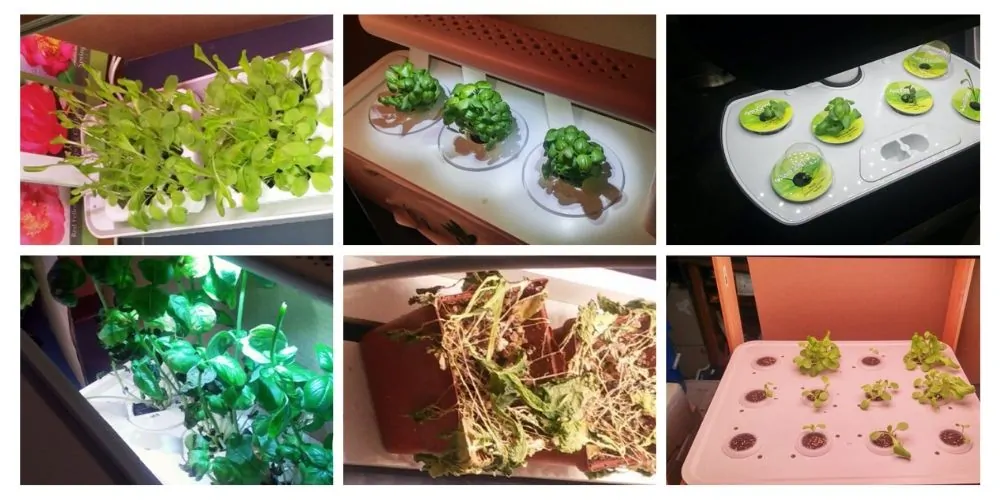
However, if you don’t have enough natural light in your home, many indoor herb garden kits will give you the benefit of artificial light as well as keeping everything in one place. We actually reviewed 6 of those kits, and the overall best was definitely the AeroGarden Harvest.
Most herbs prefer the same temperature as people. So, if you are comfy, your herbs will be the same. When it comes to soil, any good commercial potting mix will work.
Indoor herbs need to be watered a few times per week. Make sure your containers have drainage holes and place them on a saucer, so the water does not drain out over your counter. However, if you’re known for forgetting to water your plants, you can always opt for self-watering planters. Luckily for you, we reviewed 12 of the best self-watering planters on the market, so you won’t have to.
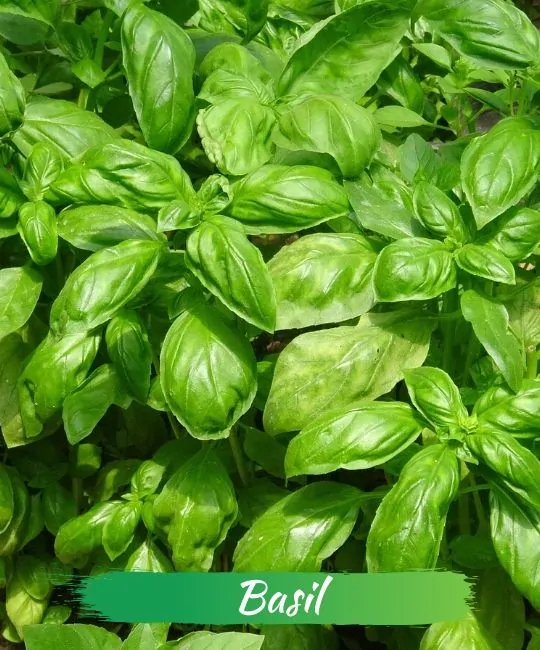
Indoors, basil is probably the trickiest of all the herbs. It likes it a tad warmer than most and will fade and drop its leaves if it is too cold. Seventy degrees and higher will keep this herb happy.
Basil is a fast-growing indoor herb and can reach up to two feet tall, so make sure to use it often and pinch back its stems to encourage bushiness. Also, you’ll have to repot basil from time to time, as it requires a lot of space for its roots.




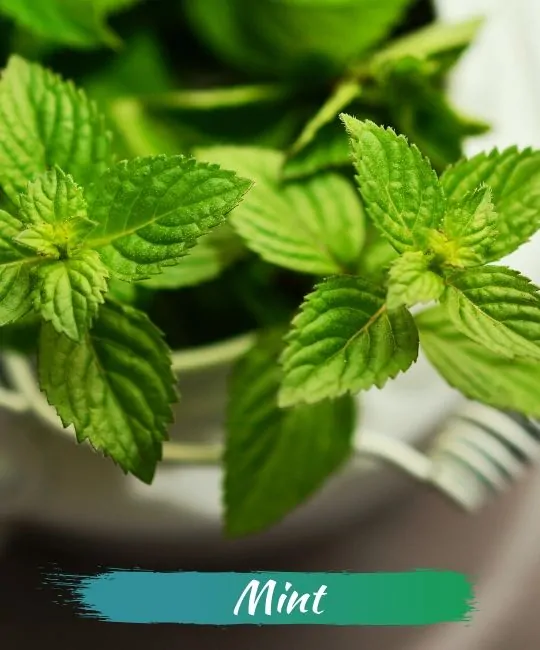
Mint is another fast-growing herb and it can reach up to 3 feet, so it’s recommended to pinch it back frequently.
There are many kinds of mint and a few of them can tolerate some shade. Thanks to this, mint can be placed anywhere in your indoor herb garden, even in a hanging basket.
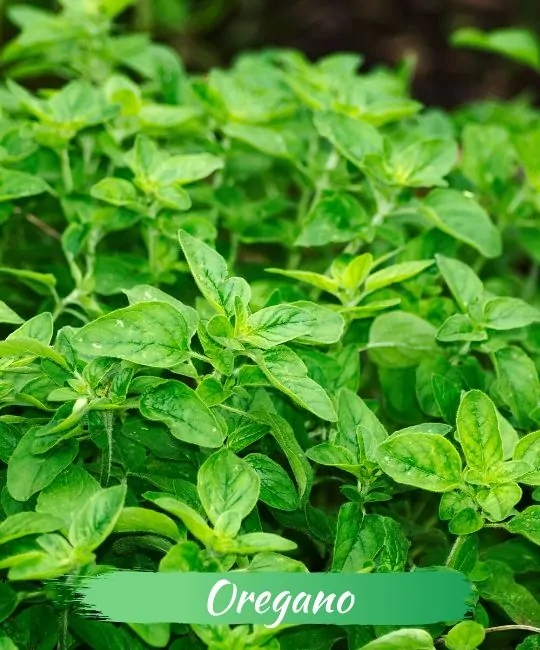
Every Italian dish ever made needs a good dose of oregano. There are a few varieties of oregano out there (Greek, Italian, hot, and spicy), but the right one for you depends entirely on your needs.
Oregano loves to stay in the sun, and its flavor can be influenced by the amount of sun received.
Indoors, oregano can reach up to 15-18 inches tall, and it’s recommended to prune and use it often, as all parts of the plant are useable.
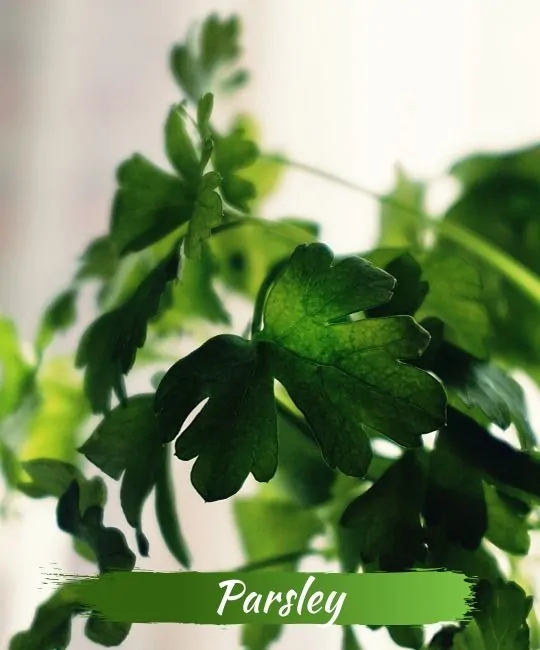
In many dishes, parsley is used as a side garnish but can be used chopped up in recipes too. The two main types of parsley are the Italian Flat-leaf and the Curly leaf. Both can be used interchangeably.
This herb will only get to be fifteen to eighteen inches tall and the perfect spot for it will be the windowsill. Use it often, as the pinching will cause new growth.
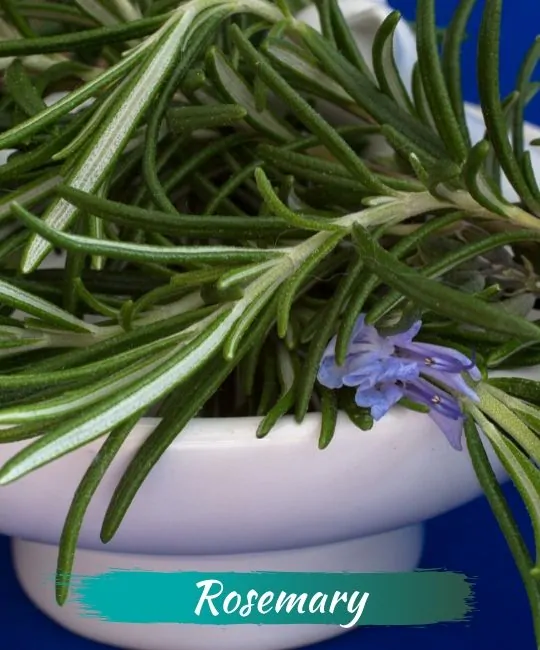
A list of the best herbs to grow indoors wouldn’t be complete without rosemary. This herb is another Italian staple as well as for Mediterranean cuisine. It is an upright grower that can attain heights of 2 to 3 feet tall.
The small leaves are usually stripped from the stems to use. You can also pinch it back to encourage new growth or cut it from the base to maintain its size and shape.
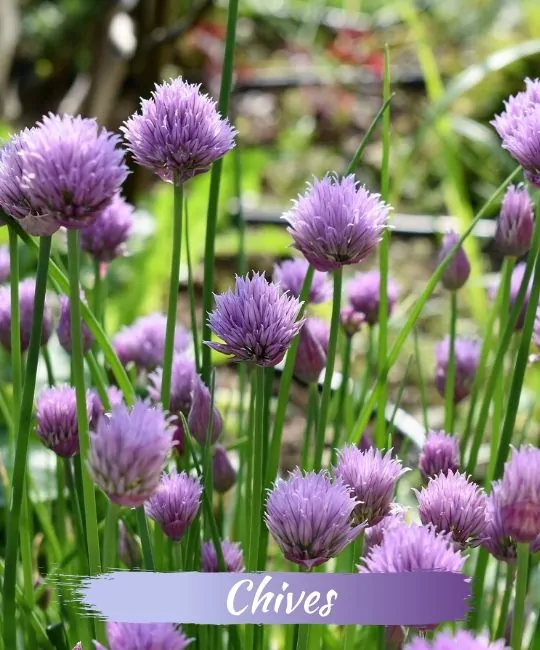
Chives is one of the easiest herbs to grow indoors from seeds. It forms a mat-like grass clump that will keep on producing.
Providing a subtle onion flavor to your recipes, chives will only reach 10-12 inches tall. Chives can be harvested after it reaches 6 inches tall by cutting it down from the base and leaving at least 1-2 inches of stem above the soil.

Sweet Marjoram has been described as mild oregano. It is used mainly for the flavoring of sausage in German cuisine, and in Italy, it is used to flavor soups and veal.
Sweet Marjoram is another of the smaller growing herbs reaching heights of a foot or less.
This herb is a perfect choice for a beginner indoor gardener, as it’s drought resistant and will forgive you if you don’t water it regularly.
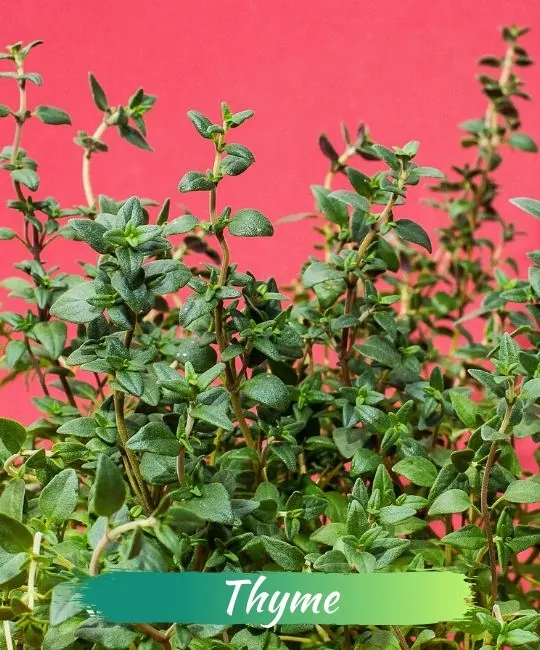
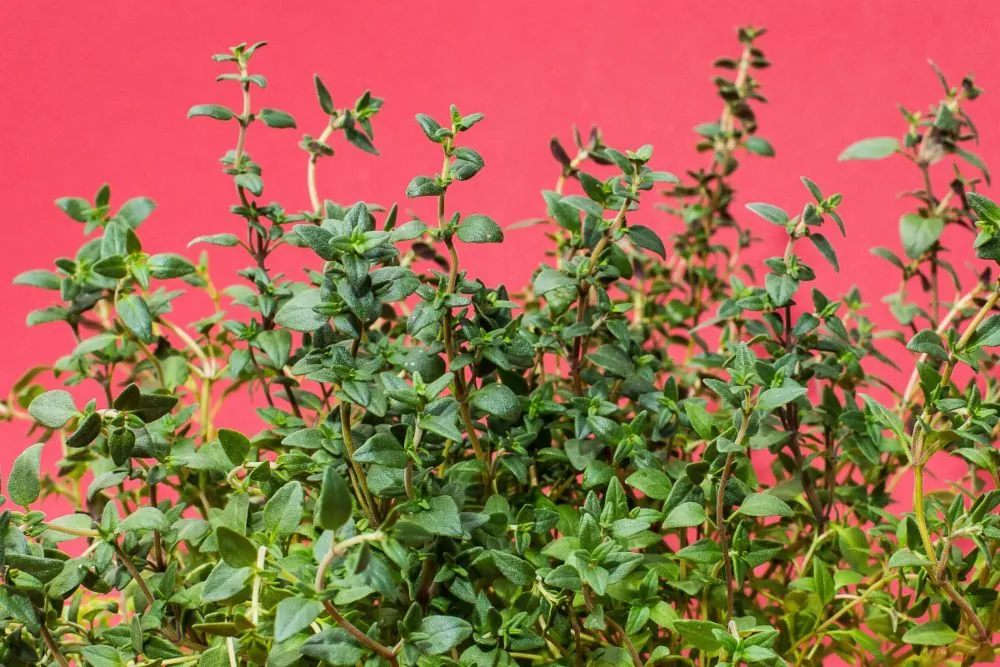
Thyme is an easy to grow herb but demands good drainage. It has a wiry growth habit and will be crowded out by other herbs, so give it plenty of room.
If you happen to have a cooler spot where you are trying to grow herbs, this would be the ideal candidate. It has tiny, potent leaves and only reaches a height of 12 inches.
It’s also another herb perfect for a beginner indoor gardener, due to the fact that it can tolerate drought.
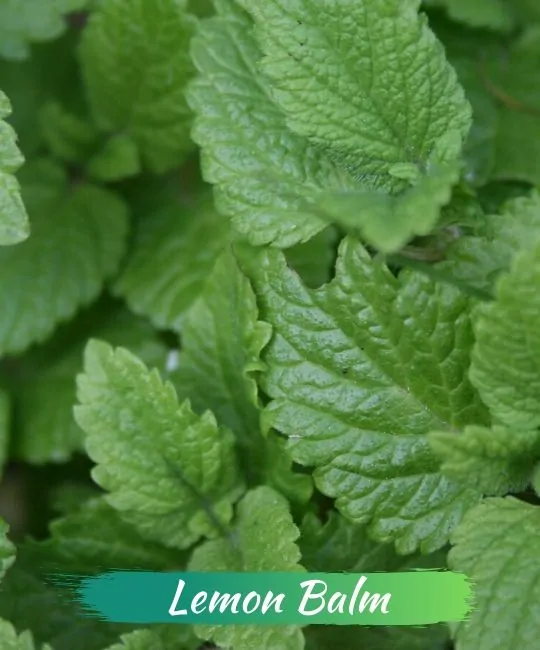
As its name implies, this herb offers a lemon flavor to fish, chicken, and teas. It has an upright growth pattern, much like the rest of the mint family, and can reach heights of 24-36 inches, so you will want to use it often.
Pinching the growth tips will cause it to fill out.
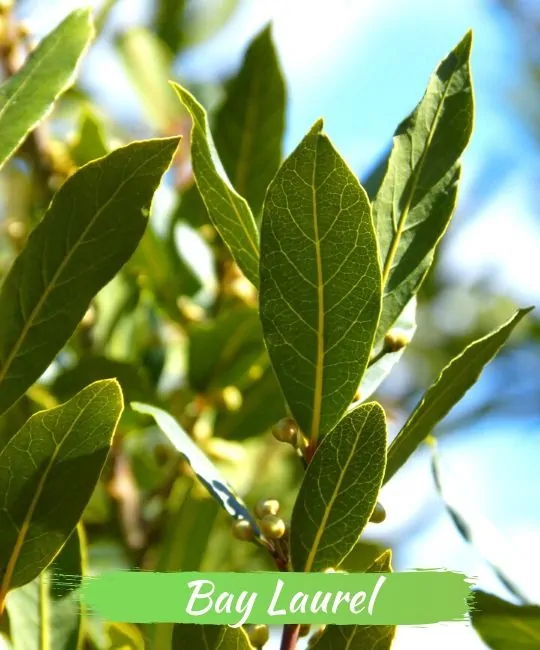
Even though this is considered an herb, Bay Laurel is actually a tree. The leaves are used in many kinds of cooking.
As a tree, you can maintain it indoors by keeping it pruned down to two feet. It also works well as a topiary. Growing this herb indoors will require many skills, such as pruning and repotting every 2-3 years.
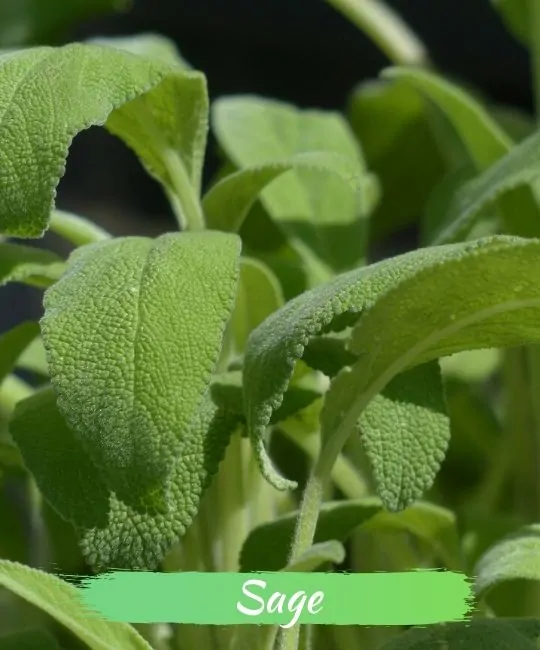
A holiday recipe staple, sage is quite a drought-tolerant plant and does very well as an indoor herb. Let the soil dry out slightly before watering.
Sage will reach heights of 24 inches tall and should be used or pinched back often to encourage new growth and to maintain its bushiness.

Along with the Bay Laurel, this is another tree posing as an herb. Kaffir lime is a citrus tree, but the leaves are used for Thai and Indonesian cuisines. The fruit, while edible, is not the main story.
This tree would prefer to be outside during the summer, but if you give it lots of sunlight, you can keep it pruned to 2-3 feet tall and still supply you with ample amounts of leaves.
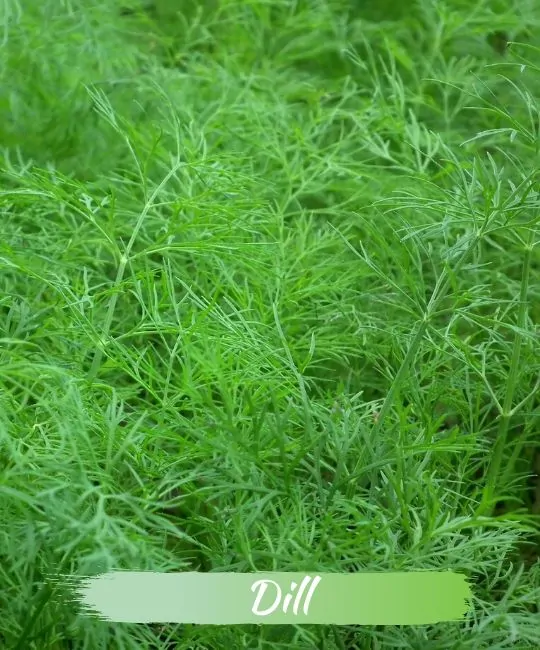
The leaves of dill are used in soups and salads, and the seeds that it produces can be added in pickling. Indoors, dill will have a little trouble doing well as the fern-like foliage tends to droop once it gets to be 10-12 inches tall.
This problem can easily be remedied with a stake. It will continue to 24 inches if left unpruned. Dill is a quick grower; the leaves are ready to harvest within a month and a half of planting.
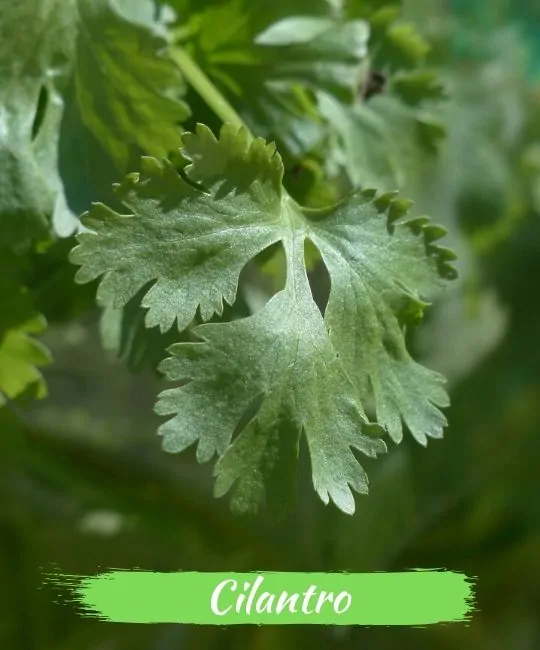
This herb looks a lot like the flat parsley but has an entirely different flavor. Cilantro is used in many Mexican dishes. It is also a love/hate type of herb.
Some people love it and could not make salsa without it, and others think it tastes like dish soap and have absolutely no use for it. It can attain heights of 24-36 inches tall.
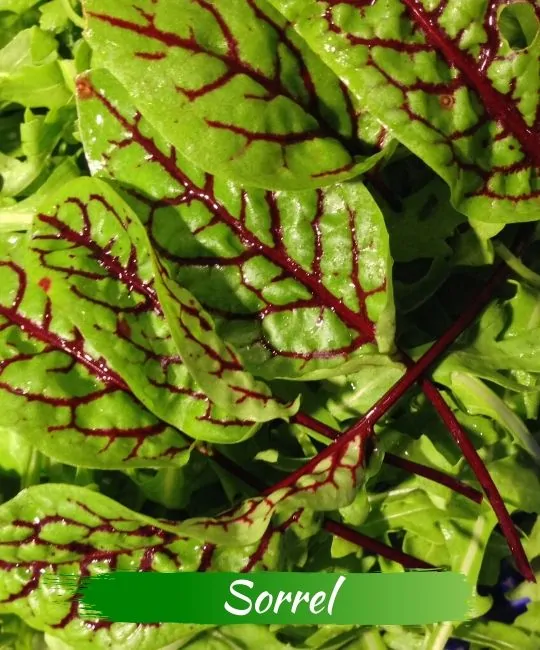
An exciting addition to salads, it is also the main ingredient in sorrel soup. The smaller leaves are the edible part, adding a lemon-like flavor to your recipe.
Sorrell is one of those herbs that a little goes a long way, so you may only need a small pot of it. The best leaves to use will only be 4-5 inches long. The plant itself can reach up to 3 feet tall.
As is everything related to anything edible, your taste should dictate what you grow.
This list of the best herbs to grow indoors might be excellent for somebody that does a lot of cooking of various cuisines. However, for somebody that only likes Italian, one or two of these would suffice.
No matter how you look at it, the majority of herbs are easy to grow. Most need lots of sunlight, some need a little extra pruning, some you can start from seed, or it might be better to start with a plant. The main thing to get from this article is: If you love cooking, gardening, and fresh ingredients, you should grow an indoor herb garden.
There are bound to be other herbs that do well indoors, did we miss one that you love or grow yourself? Leave a comment below and let us know.


Monthly updates on your favorite plants and how to keep them alive, delivered straight to your inbox!
Privacy Policy
This privacy policy outlines what info we gather from our visitors and contributors, the tools we use to collect, store, and protect it, and how we use this information.
Like any other website on the World Wide Web, YouHadMeAtGardening.com records some info about you and your device during your visit. This privacy policy outlines how our team gathers, stores, protects, and uses the information it gathers from visitors of the YouHadMeAtGardening.com website.
By continuing to use this website, you implicitly agree to this policy; if you do not agree to some or all of the procedures listed on this page, you can opt out at any time, however, you might not enjoy the intended browsing experience.
Our team reserves the right to alter this privacy policy with no prior notice to you. However, if the alterations made affect your personal data in any way, you will be notified immediately by email, on our homepage, or here.
Information YouHadMeAtGardening.com Collects
Our systems gather personally and non-personally identifiable information from visitors of the YouHadMeAtGardening.com website.
The only personally identifiable information we collect is your name and e-mail address only when leaving comments if you’re a visitor, or when submitting content and leaving comments, if you’re a contributor.
However, if you are not comfortable with providing your personally identifiable information to us, you can also use an alias instead of your real name and e-mail address without breaking any rules or regulations currently in use.
Note: If you submitted a comment using your personally-identifiable information and want it removed, you can always contact us and we will remove your info in 30 days.
The non-personally identifiable information we collect is your IP address, ISP information, device and browser info, and your browsing patterns – specifically the pages and websites you visit. This information cannot be used to track down your identity.
How We Collect Your Information
We use the following tools to gather personally and non-personally identifiable information from visitors and contributors:
• Cookies: these tiny text documents contain unique identifiers that are stored in your computer after your expressed consent. Cookies collect non-personally-identifiable information about your browsing patterns, which helps us pinpoint the areas of our website that require extra work and the areas that fully meet your needs.
• Log files: These tools record browser and device information, browsing patterns, websites that referred you to the YouHadMeAtGardening.com website, pages our website referred you to, and other types of non-personally identifiable information.
• Sign-up forms: these requests only come up when registering for our newsletter and is the only way our team collects personally-identifiable information from visitors.
How We Protect Your Information
All information we gather, both personally and non-personally identifiable, is stored in systems and databases managed only by the YouHadMeAtGardening.com team. We use the latest security measures to make sure the information you provide and the information we gather stays confidential, such as encryption, user behavior monitoring, and a series of managerial procedures.
How We Use Your Information
We only use your personally and non-personally identifiable information to improve the quality of the website and your browsing experience while here. We want to know which pages and sections of our website satisfy your needs and are of real value to you and which ones need improvement so we can make the proper adjustments. We also use your information to make sure the website is properly displayed on your device and browser.
If you choose to opt in for our newsletter, we will also use your information to keep in touch.
However, know that the YouHadMeAtGardening.com team will never share your information with other parties in exchange for financial rewards or any other kind of benefits. Some third parties might get very limited access to your info, but only to your non-personally identifiable information and only as we described above.
The personally identifiable information you provide is strictly confidential, therefore we will not share it with anyone.
Advertising
This Site is affiliated with CMI Marketing, Inc., d/b/a CafeMedia (“CafeMedia”) for the purposes of placing advertising on the Site, and CafeMedia will collect and use certain data for advertising purposes. To learn more about CafeMedia’s data usage, click here: www.cafemedia.com/publisher-advertising-privacy-policy