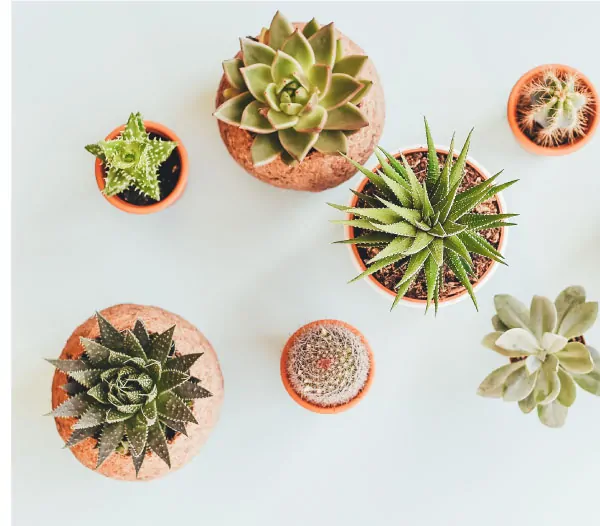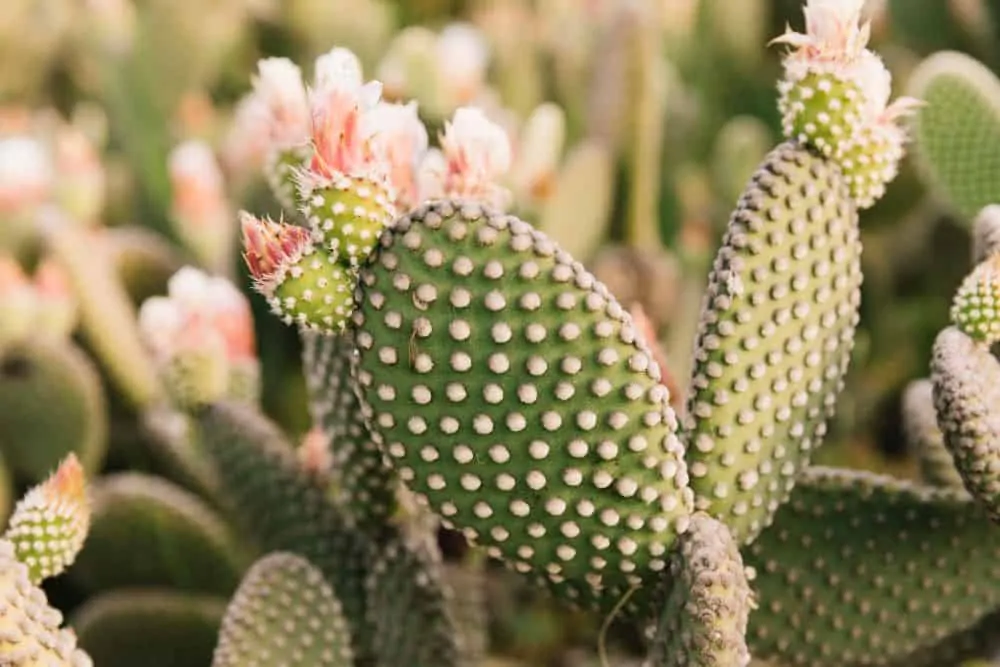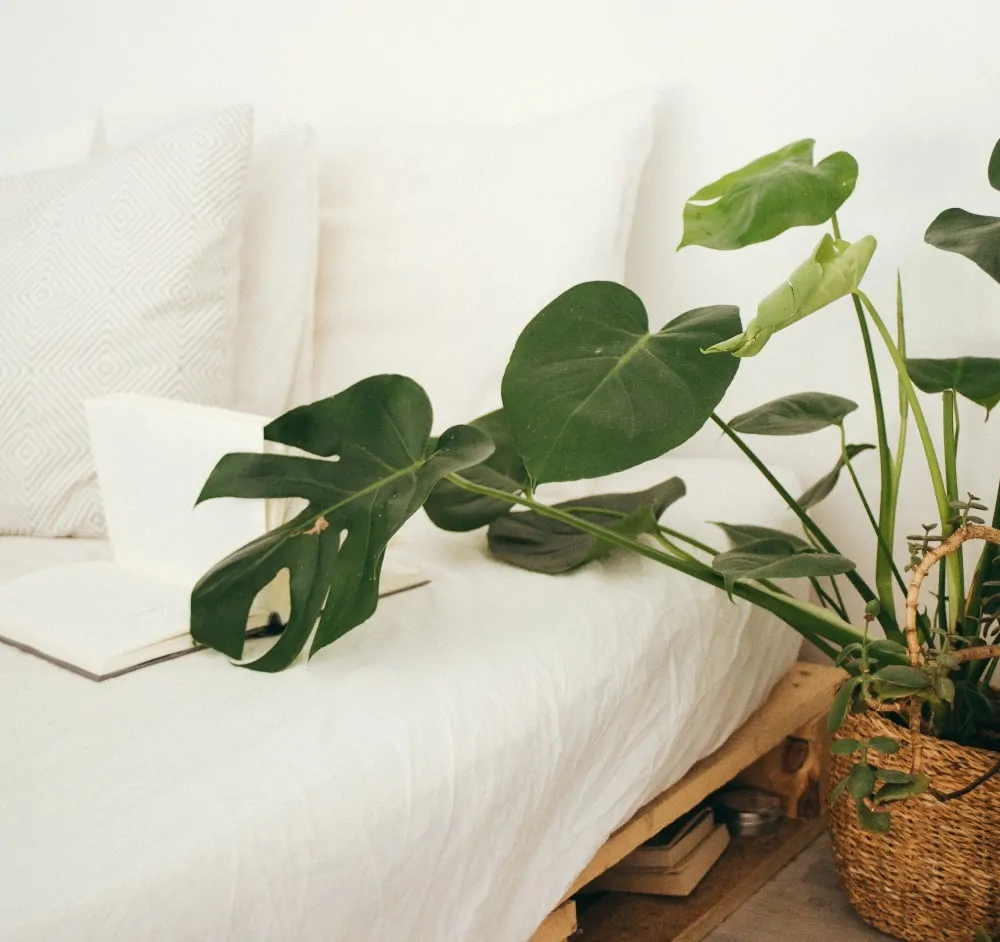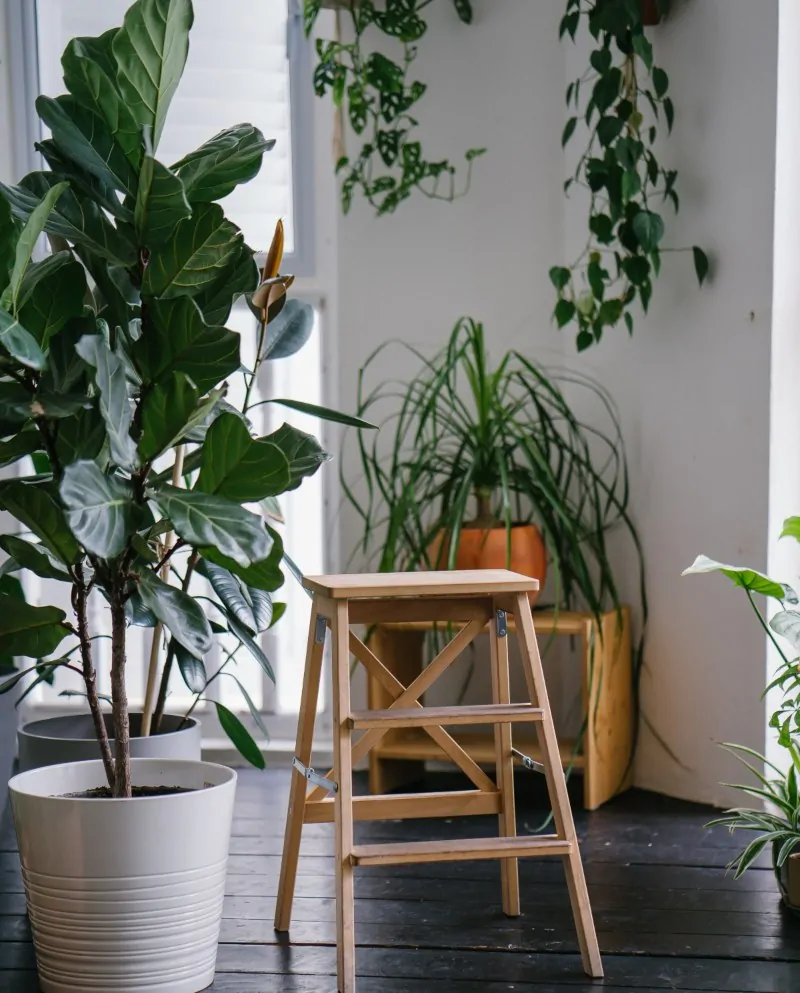

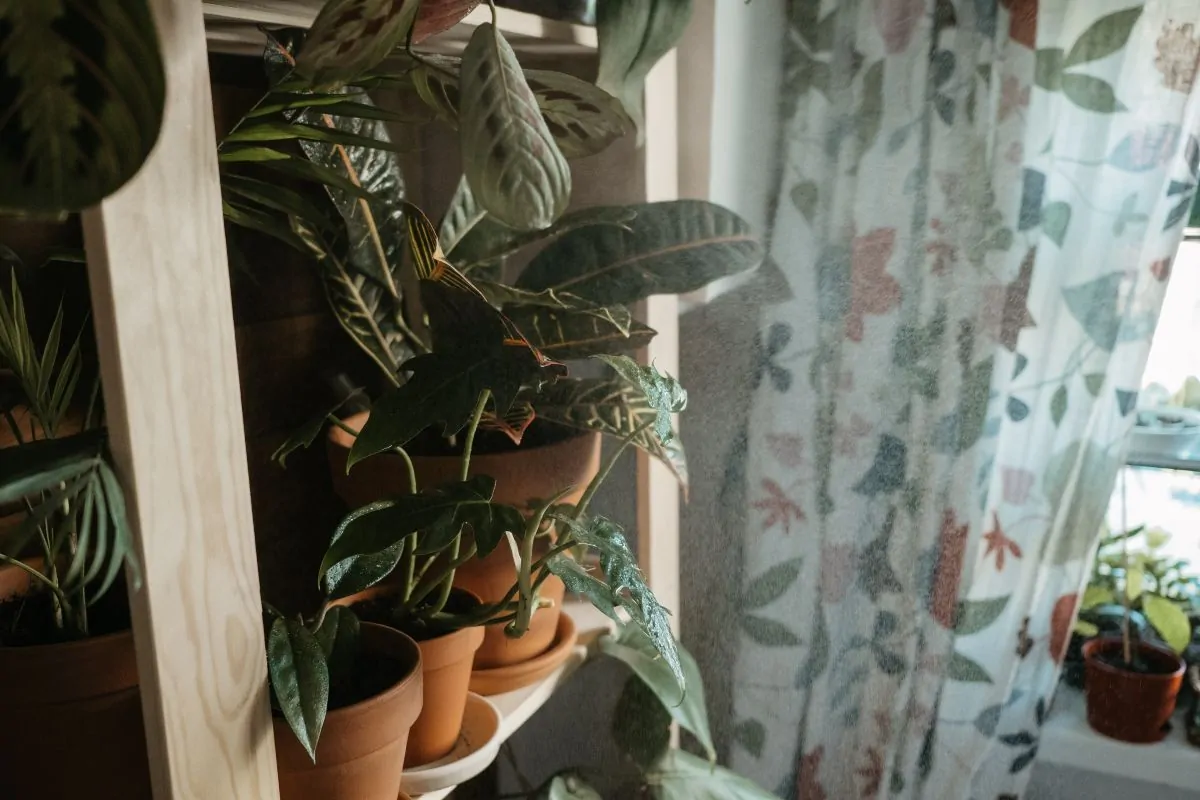
Those of us who live in climates with very distinct seasons love to bring our houseplants outside for the summer months. Whether we place them on balconies or patios or around the garden, our houseplants thrive as they absorb the extra light and humidity. But unless we live in USDA Hardiness zones 10 or above, those same houseplants will have to come back inside as summer wanes.
Then there are those of us who decide our flowering annual plants are just too lovely to throw in the compost bin and decide to winter them indoors.
Whether we are returning houseplants to their rightful place indoors or wintering annuals, there are several things that need to be done to ensure the proper health of our plants. When is the optimum time to bring plants indoors? How do we ensure that we don’t bring bugs into the house? Should we let an annual go dormant over the winter?
This article will look at these issues and how best to prepare plants for the winter.
Once nighttime temperatures dip below 50°F (10°C), it is time to bring houseplants back indoors. Usually, at this time, daytime temperatures are still somewhat warm so both interior and exterior temperatures will be almost the same. This will help in acclimatization.
Bringing plants indoors, however, involves more than picking up a pot and moving it inside. If you wish to overwinter a flowering annual, for example, make sure it is healthy, removing all dead blooms and any yellow or brown leaves. Perhaps it is time to prune a houseplant that has gone a little wild over the summer. Inspect your plants! It is not an easy job to bring plants indoors, but it can be so rewarding.
View this post on Instagram
I generally use late summer/early fall as the optimum time to repot any plants that have become pot bound or which need nutrients. Those who have been in the fresh air all summer may need a new pot, with new soil. Using soil especially prepared for houseplants is the best idea as it has the correct mix of soil and organic matter.
If you do decide to repot, place the plant in a pot about 2 inches larger than the old one. This encourages growth while not overwhelming the root ball. If pruning is required, now is the time to do it. Removing dead or dying leaves allows the plant to focus its energy on its healthy growth.
Some plants may not need a new pot, but the pot likely needs cleaning of any summer debris.
Regardless of whether you repot or not, the plant must be checked and treated for bugs. Even if my plant does not need repotting, I always remove the top two inches or so of soil before adding new earth. I also spray the earth with insecticidal soap. If I am repotting, I also spray the root ball.
This year, I have made my own insecticidal soap after a bad experience last year with a commercial spray that ruined my hibiscus plants. There are numerous recipes for insecticidal soaps which usually include mild soap (no detergent or degreaser), water, and oil. Using diluted essential oils can also work.
This video is helpful:
Before applying insecticidal soap to the plant, I hose the plant, especially the undersides of leaves, to dislodge any pests. Inspect the plants carefully! It might be impossible to completely avoid bringing pests in your home but the more care you give at this stage, the less problems you will have.
Another method often suggested for debugging plants is the complete immersion of a plant in a tub of soapy water. Because of the space and supplies needed, this may not be ideal for all plant lovers. But if you have the room and a hose, fill a large tub with soapy water (again, using a mild soap) and soak the plant, including pot, for 15-20 minutes. This will kill any bugs on the plant or hiding in the soil.
If the plant is too large to completely immerse, wash the upper leaves, spraying with insecticidal soap. Afterward, a good spray with the hose will rinse the plant and pot.
If, despite your best efforts, you find bugs in your plants, spraying with Neem oil or even wiping leaves with cotton swabs soaked in alcohol can address the problem.
Plants that are brought indoors will have an adjustment period because no matter how sunny your window is, they will be receiving less light. It is recommended, after the treatments above, to leave the plant outdoors during daylight and bring indoors at night, for 5 to 7 days.
They should also not be placed near air vents or heating ducts. Try instead to mimic the outdoor conditions as much as possible. I usually place them in the sunniest spot indoors for a few days and then move them to a more permanent spot in my home.
It is not uncommon for some leaves to yellow and drop off as the plant acclimates; remember to quickly remove any dying leaves.
View this post on Instagram
Living through cold, snowy winters leaves me yearning for the brightness of flowers from November to April. In the past few years, I have wintered geraniums, coleus, and begonias in my home, providing me with wonderful reminders of the summer garden.
Because I seek flowering, I do not cut these annuals back in the Fall but do treat the plant and soil as mentioned above before bringing indoors. They are then placed in a bright, sunny window. My geraniums bloom all winter! But since all plants need a period of rest, I will prune the geraniums quite severely in early spring so that by mid-summer, they can be blooming again, but outdoors this time.
My approach with coleus is quite different. Upon bringing indoors in early Fall, the coleus plants are pruned right away and pinched throughout the winter to avoid becoming leggy.
If you lack the space to bring summer plants indoors, taking a cutting from a favorite plant is a way of keeping for the next year’s garden.
Bringing plants indoors requires work, changing soil, cleaning, pruning, debugging, but it is work well chosen. While all gardeners feel a certain sadness as summer ends, bringing plants inside for winter gives us gardening pleasure all year long.
Please feel free to share your experiences with your indoor garden!

Monthly updates on your favorite plants and how to keep them alive, delivered straight to your inbox!
Privacy Policy
This privacy policy outlines what info we gather from our visitors and contributors, the tools we use to collect, store, and protect it, and how we use this information.
Like any other website on the World Wide Web, YouHadMeAtGardening.com records some info about you and your device during your visit. This privacy policy outlines how our team gathers, stores, protects, and uses the information it gathers from visitors of the YouHadMeAtGardening.com website.
By continuing to use this website, you implicitly agree to this policy; if you do not agree to some or all of the procedures listed on this page, you can opt out at any time, however, you might not enjoy the intended browsing experience.
Our team reserves the right to alter this privacy policy with no prior notice to you. However, if the alterations made affect your personal data in any way, you will be notified immediately by email, on our homepage, or here.
Information YouHadMeAtGardening.com Collects
Our systems gather personally and non-personally identifiable information from visitors of the YouHadMeAtGardening.com website.
The only personally identifiable information we collect is your name and e-mail address only when leaving comments if you’re a visitor, or when submitting content and leaving comments, if you’re a contributor.
However, if you are not comfortable with providing your personally identifiable information to us, you can also use an alias instead of your real name and e-mail address without breaking any rules or regulations currently in use.
Note: If you submitted a comment using your personally-identifiable information and want it removed, you can always contact us and we will remove your info in 30 days.
The non-personally identifiable information we collect is your IP address, ISP information, device and browser info, and your browsing patterns – specifically the pages and websites you visit. This information cannot be used to track down your identity.
How We Collect Your Information
We use the following tools to gather personally and non-personally identifiable information from visitors and contributors:
• Cookies: these tiny text documents contain unique identifiers that are stored in your computer after your expressed consent. Cookies collect non-personally-identifiable information about your browsing patterns, which helps us pinpoint the areas of our website that require extra work and the areas that fully meet your needs.
• Log files: These tools record browser and device information, browsing patterns, websites that referred you to the YouHadMeAtGardening.com website, pages our website referred you to, and other types of non-personally identifiable information.
• Sign-up forms: these requests only come up when registering for our newsletter and is the only way our team collects personally-identifiable information from visitors.
How We Protect Your Information
All information we gather, both personally and non-personally identifiable, is stored in systems and databases managed only by the YouHadMeAtGardening.com team. We use the latest security measures to make sure the information you provide and the information we gather stays confidential, such as encryption, user behavior monitoring, and a series of managerial procedures.
How We Use Your Information
We only use your personally and non-personally identifiable information to improve the quality of the website and your browsing experience while here. We want to know which pages and sections of our website satisfy your needs and are of real value to you and which ones need improvement so we can make the proper adjustments. We also use your information to make sure the website is properly displayed on your device and browser.
If you choose to opt in for our newsletter, we will also use your information to keep in touch.
However, know that the YouHadMeAtGardening.com team will never share your information with other parties in exchange for financial rewards or any other kind of benefits. Some third parties might get very limited access to your info, but only to your non-personally identifiable information and only as we described above.
The personally identifiable information you provide is strictly confidential, therefore we will not share it with anyone.
Advertising
This Site is affiliated with CMI Marketing, Inc., d/b/a CafeMedia (“CafeMedia”) for the purposes of placing advertising on the Site, and CafeMedia will collect and use certain data for advertising purposes. To learn more about CafeMedia’s data usage, click here: www.cafemedia.com/publisher-advertising-privacy-policy