
What would gardening be without tools? After all, your hands can only do so much on their own. In this article, I have selected 50+ of the best tools used for gardening that will make any enthusiast’s job a lot easier.
For ease of navigation, I have separated this best gardening tools list into eight accessible categories, plus a bonus section on DIY gardening tools that you can make from common household items.
Table of contents:
In this section, I will present you with a refined selection of tools used for gardening if you are a beginner and you just started off your horticulture, landscaping, or gardening adventure. When it comes to your passion, nothing is good enough for your beautiful low-maintenance ornamental plants, your thick, lush turf grasses, or your bushy shrubs or trees.
Either you cater to the needs of a small garden or a vast landscape, you still need the best garden tools to make your job easier and your work more pleasant. So let’s see what should be in your beginner’s kit!
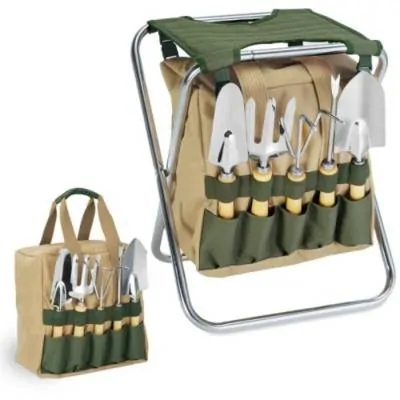
If you’re just starting out with home horticulture, there are five essential tools used for gardening you will need.
These are the trowel, the transplanter, the hand rake, the hand fork, and the weeder.
My favorite for this is the Oniva 5-piece set, as it comes with a folding chair and tote combo that will make your job a lot easier.

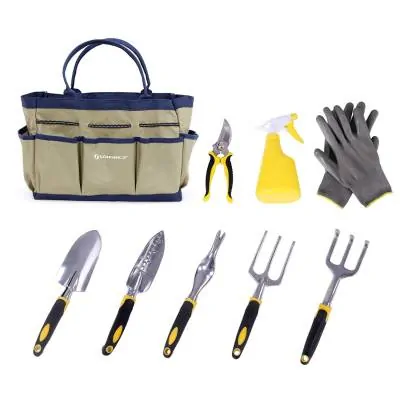
A 9-piece set is ideal for intermediate-level home gardeners. It usually contains a trowel, a transplanter, a hand rake, a hand fork, a pruner, a weeder, a spray bottle, and gardening gloves.
The ninth item on this garden tools list isn’t a tool per se; it’s a handy tote bag for storage and transport. I chose the one by Songmics, but there are plenty of other options available.
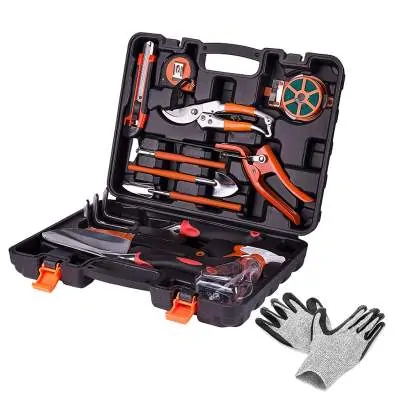
The final set in the category caters to the needs of heavy-duty, experienced home gardeners and is made by Koram.
It contains 13 pieces, namely secateurs, pruning shears, a twist tie with a cutter, a spray bottle, three different aluminum trowels, two types of hand rakes, a utility knife, measuring tape, and a pair of gardening gloves. They come with their own blow-molded carrying case as well.
Next in line is a selection of tools used for gardening indoors. There is no right or wrong way to go about this. You choose some of the most common houseplants or even hard-to-kill plants to start your indoor gardening adventure.
On the other hand, you could go on the more sophisticated path of building an indoor garden using assorted varieties of succulents, hanging plants, trees, and even plants that simply grow in water. The choice is yours. However, you still need some tools to use for gardening on your balcony or inside your bedroom, so here is the list!
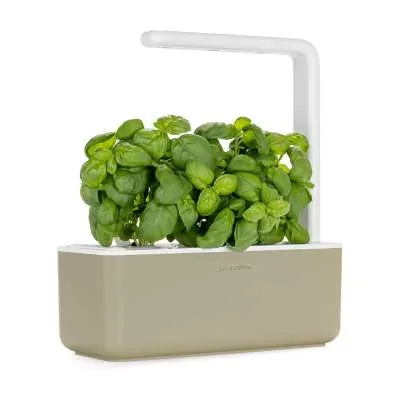
The Click & Grow Smart Garden is a home gardening kit that makes growing your own salad greens, herbs or flowers easier than ever.
It’s a hydroponic growing system with a twist, as it doesn’t require the periodic addition of nutrients in the soil. It has its own Smart Soil in which plant seed pods thrive without the need of much else other than water.
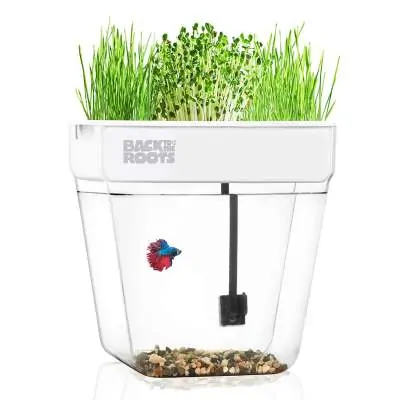
The innovative hydroponic home gardening kit from Back to the Roots cleverly combines a microgreen pot with a miniature fish tank.
The two ecosystems partake in a mutually beneficial relationship, as fish waste fertilizes plants, and plants clean the water.
Check out Darren’s reviews of the best indoor herb gardens for more info on how these devices work.
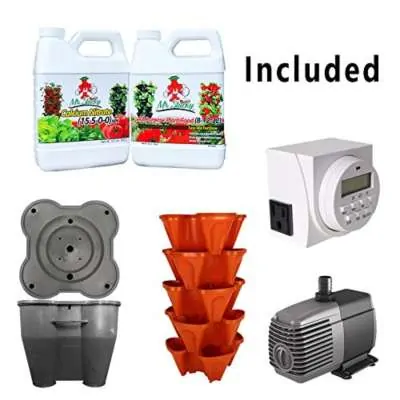
This is a home gardener’s dream. The Mr. Stacky Smart Farm relies on a self-watering vertical tower system, which means that you can maximize the space in your apartment, and not have to worry about leaving town either.
Its water tank lasts for two to three weeks, depending on which plants you want to grow.
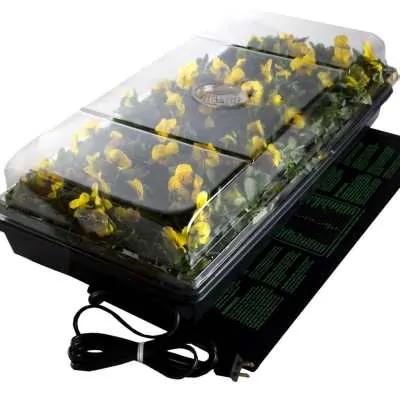
The next item on my garden tools list is a germination station. Try saying that five times faster.
All jokes aside though, this germination station from Hydrofarm is a great way to start seeds at home when you’re short on space. It consists of a tray with 72 cells, plus a vented dome and a heat mat.
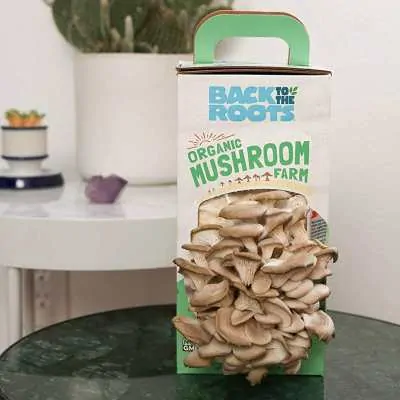
Are you a fan of mushrooms on anything? I know I am, which is why I find the concept of an indoor organic mushroom farm ideal.
It takes as little as 10 days for a cluster of delicious oyster mushrooms to grow from this Back to the Roots kit, and all you have to do is mist them with water.
When it comes to the best tools used for gardening, things get a bit serious. Good garden tools come in a wide variety of types, functions, sizes, and brands.
If you plan to dedicate time and effort to your property, you will need more than just garden tools. We will come back to this topic, but just to make sure you have all the info you need, my suggestion is to take a look over the following guides as well:
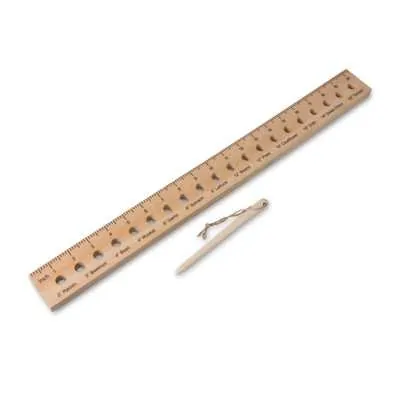
What a seed and plant spacing ruler does best is take the guesswork out of gardening. Instead of having to estimate where seeds should go, place the ruler on the ground and dig holes according to it.
This will ensure that every single baby plant gets the moisture and nutrients it needs, and you will maximize your garden space in the process as well.
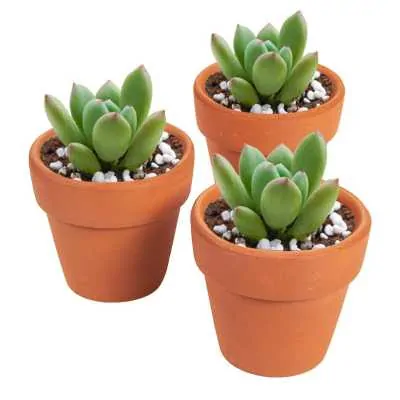
Terracotta flower pots are timeless, that’s for sure. I fondly remember my mother’s plant garden in my hometown, and how she used to plant everything in these reddish-brown containers.
This is why I always keep a few around as well. Just in case I need to remind myself of the simpler times in life and improve my home garden in the process.
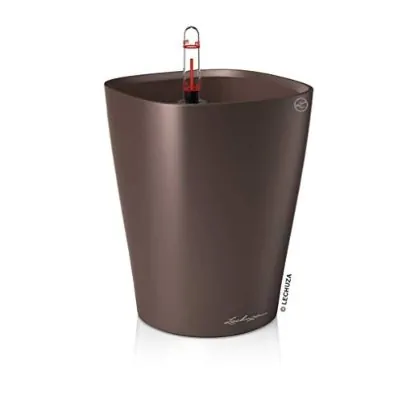
Self-watering planters are any lazy gardener’s dreams. This type of pot has double walls, which serve as a reservoir that distributes water to plants according to their needs.
Depending on the type of plant and the weather in your region, it will have to be refilled every two to six weeks.
Check out Mari’s review to see what are the 12 best self-watering planters this year!
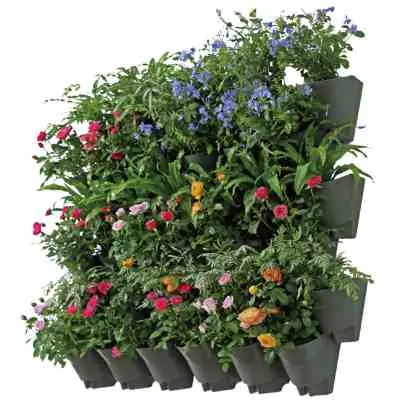
Do you want to go all out with your plant-themed décor? The living wall planter looks especially lush and extravagant, and its self-watering system will take the hassle out of the entire maintenance process.
Just ensure that you have enough room for this vertical garden by Worth in your home. It needs its own space to flourish.
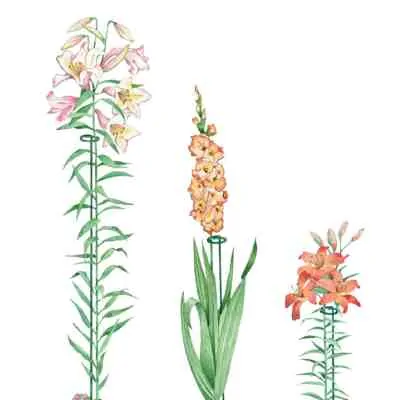
Do your plants require additional support that wooden stakes simply can’t offer, or do you simply want a sleeker-looking design?
Then you should consider investing in some single stem supports made out of a more durable material, such as polyethylene-coated steel.
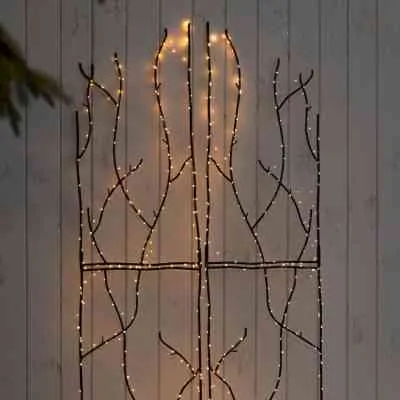
The Enchanted Woods Trellis adds a magical touch to any outdoor garden. It looks stunning even before vines start latching onto it, due to its unique design that imitates tree branches.
There are even a few cute little birds hanging out on it for an added magical effect.
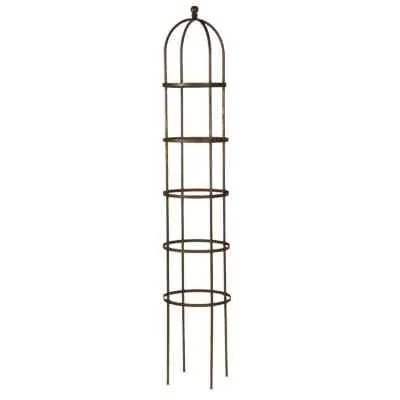
Incorporating an obelisk in your outdoor garden creates a living sculpture of greenery that will quickly become the centerpiece of your backyard.
This classic style has been popular for many centuries now, and it evokes the landscape of royal estates beautifully.
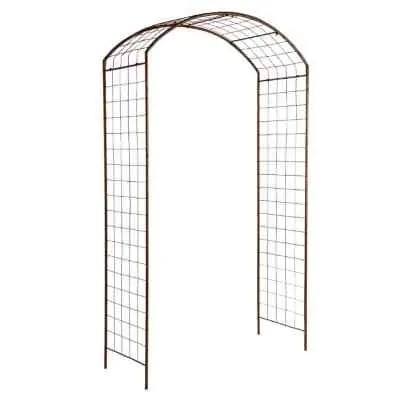
Another way to incorporate some of that old-world European charm into the aesthetic of your outdoor garden is with a rose arch.
This gorgeous variation on the classic trellis showcases climbing vines with style and grace.
Furthermore, it creates a welcoming entrance to your green space that will surely transport you straight into a fairytale
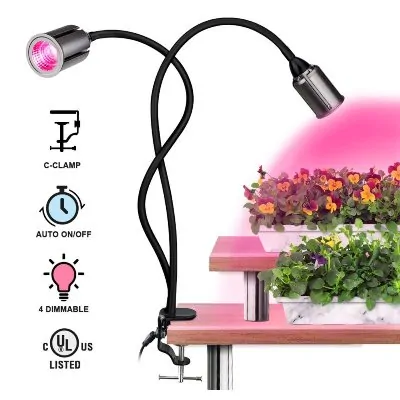
Did you know that pointing a LED grow light at your indoor plants can speed up their growth process?
Blue, red, and white LEDs are the best combo, as each color serves a different function. Blue lights promote chlorophyll synthesis, while the red ones proliferate fruiting and flowering. Finally, white LED lights ensure that your greens stay healthy… and green. For more information on lighting options and landscape design ideas, check out our guide on the best outdoor solar lights for your property!
My personal favorite is this 75W Full Spectrum Grow Light.
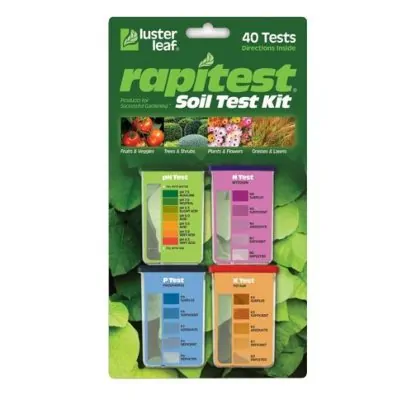
Different plants have varying soil pH needs. The acidity or alkalinity of the earth determines how well they absorb nutrients from it, which is why you should test your plant beds regularly.
This is a fairly simple process, and the Rapitest Soil Test Kit comes with an easy-to-use capsule system and color comparators.
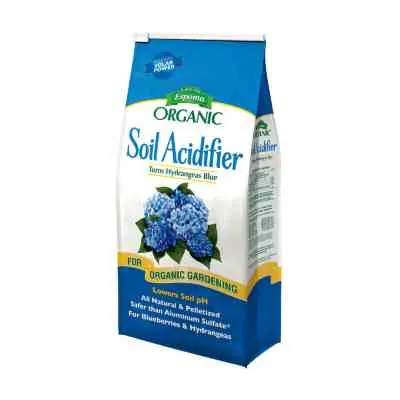
Some plants, such as hydrangeas, rhododendrons, blueberries, and azaleas love acidic soil. Organic sulfur can correct alkalinity to bring out their color and lusciousness. Plus, it won’t burn plants.
However, it’s advisable to test the soil’s pH before applying it to eliminate the risk of it becoming overly acidic.
Either you want to add some drought-tolerant plants in your garden, some amazing succulents, or a couple of ornamentals that fare well in low light conditions, you will have to do some digging. For this reason, I dedicated the following section to gardening digging tools you need for a job well done!
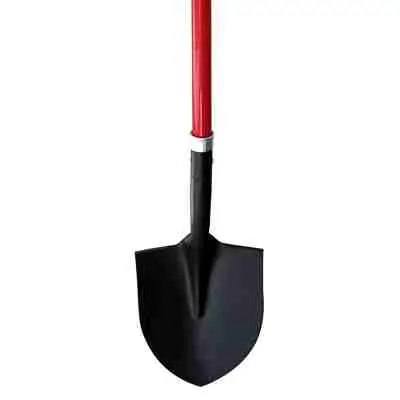
You simply can’t go wrong with a rounded blade digging shovel when it comes to kickstarting any DIY gardening project.
The edges come to a point at the end, which is ideal for loosely-packed soils filled with rocks and roots.
The heavy-duty nature of this Tabor Tools shovel can pierce even the densest of plant beds, allowing you to dig your way through any objective.
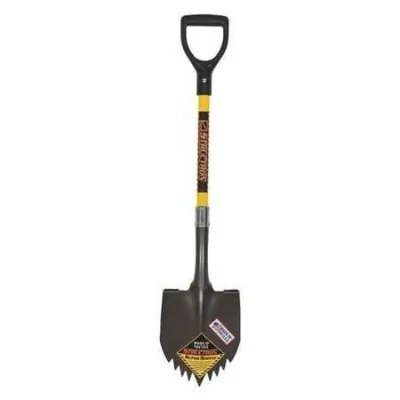
This is not your regular digging shovel.
The Super Shovel by Structron comes equipped with sharp teeth that provide extra cutting power, which essentially transforms it into a dig and pry tool.
Due to this feature, the shovel can penetrate difficult soils, such as baked clay or rocky soil.
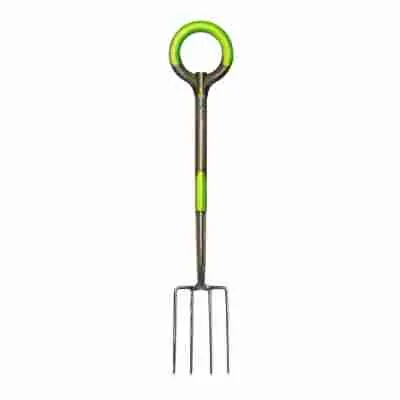
If you’re serious about gardening, then you definitely need a dependable digging fork.
Its capacities include digging beds for potatoes and perennials, turning and cultivating the soil, and moving mulch or yard debris.
My personal favorite is the digging fork by Radius Garden, due to its unbreakable steel shaft encased in resin and ergonomic design.
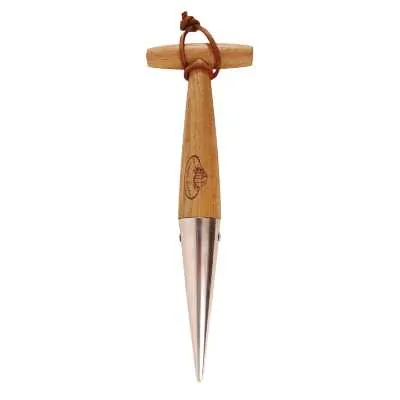
Any gardener, regardless of their skill level, knows that bulbous plants are tricky.
This is where the Esschert Design dibber comes in.
This pointed wooden stick performs excellently when it comes to making holes in the ground for bulbs to be planted in. Plus, it also works for seeds and seedlings!
You planted the seeds and now you wait to finally enjoy the benefits of your hard work. But keep in mind that gardening and landscaping are activities that keep you busy all year long. You may not have to prune your lemon trees for a while, but those rose bushes and some of your shrubs need a trim and a cut when the time comes. So let’s see some of the best gardening tools for cutting!
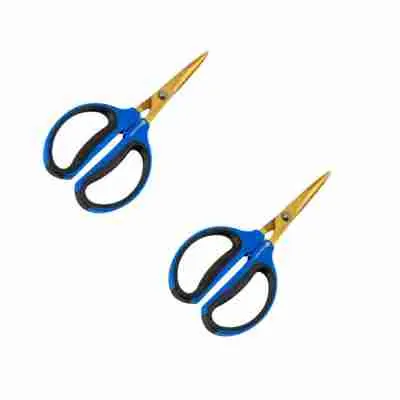
A high-quality pair of scissors is one of those tools used for gardening that have multiple other everyday uses as well. Therefore, this garden tools list wouldn’t be complete without it.
I recommend the Happy Hydro two-pack of titanium coated trimming scissors, as you will definitely get the most bang for your buck in this way.
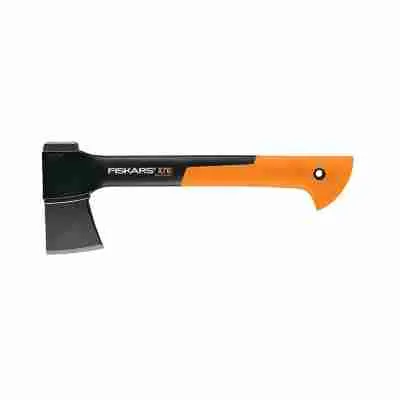
The gardening axe has one main utility in an orchard, and that consists of splitting wood. Thus, it will come in handy when you want to split a log, or even cut down an old tree.
In addition to this, the Fiskars ax is also great for shaping the wood, albeit roughly.
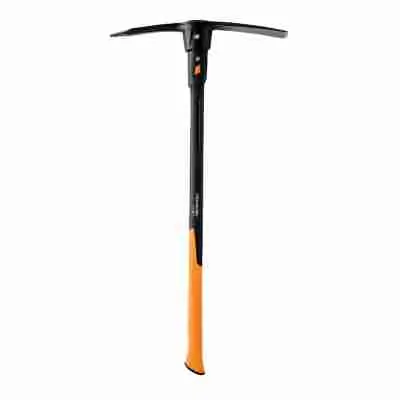
Although it might have the word ‘ax’ in its denomination, the Fiskars pickaxe is a completely different gardening tool.
Its pointed and curved head is ideal for breaking through-hardened surfaces, such as dried earth or gravel. Plus, its flat side can be used as a hoe after digging through the ground if the need for this arises.
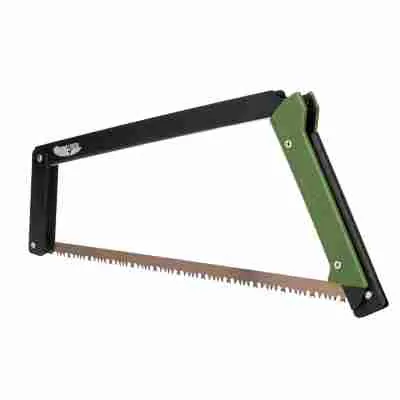
Do you have a serious pruning job on your hands? The bow saw by Agawa Canyon is a must-have tool for any gardener that grown more than just potted plants.
It is particularly useful for cutting through tree trunks and thick branches, which is why you should definitely own one if you have an orchard.
Some pieces of wood are too small for an ax to chop. In this situation, you will need a hatchet such as the Fiskars X7.
It is ideal for splitting small or medium-sized logs, as well as hacking through kindling. Moreover, each swing allows it to get in even deeper, which greatly speeds up the process.
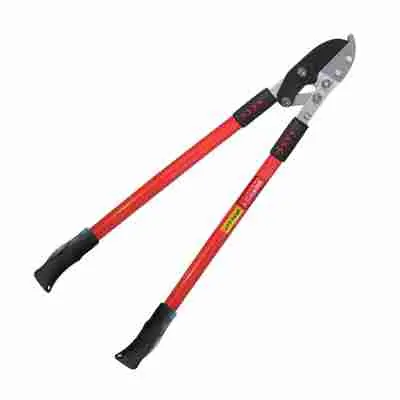
A reliable pair of loppers is the best garden tool to have on hand when there’s some heavy-duty cutting in order. The TABOR TOOLS loppers can easily chop through branches as thick as two inches.
It is thus an ideal alternative when you have a lot of dry wood on your hands and want to perform a fast round of tree hygiene.
Weeds are any gardener’s and landscaper’s worst nightmare. Even if you use pre-emergent and post-emergent multi-step fertilization and weed control applications and programs, you will still need to weed a couple of times per season. Here are the best tools used for gardening when weeds start showing their ugly heads and threaten the grasses and plants you care for so much!
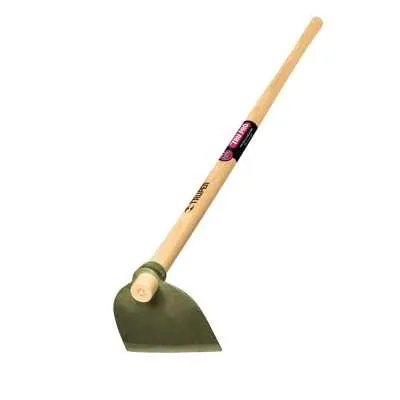
Hoes come in many shapes and sizes, but nothing quite compares to the utility of the classic garden hoe.
This ancient tool has been used since the dawn of time by agriculturists and horticulturists to remove weeds, shape soil, and harvest root vegetables and other bulbous crops.
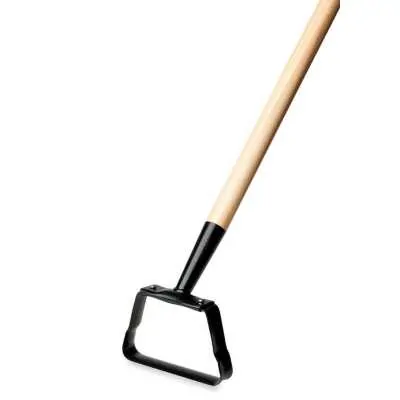
Also known as the hula hoe due to its “hula wiggle”, the oscillating hoe is an ordinary flat hoe with a twist.
Its blade has a little play in it, which allows it to skim horizontally across the surface of the topsoil in your garden and slice weeds to the root without disrupting the plant bed.
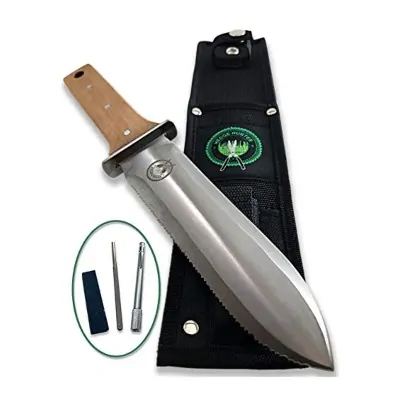
The Japanese hori-hori knife is one of my favorite gardening tools from this list, as it is truly the tool that does it all. Also known as a weeding knife or soil knife, the “Do it all” Japanese garden knife digs, weeds, saws, scoops, splits, separates, and plants. And that’s just to name a few of its functions.
The blade also has depth markings engraved on it, which make for a more accurate planting method overall.
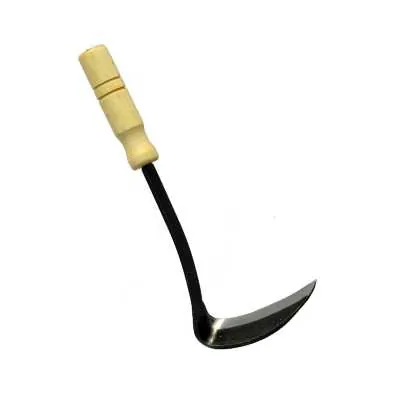
The hori-hori knife isn’t the only Japanese gardening tool every enthusiast should own.
I am also a big fan of the Nejiri Kama sickle, a robust implementation with a super sharp blade that will take care of all your weeding needs.
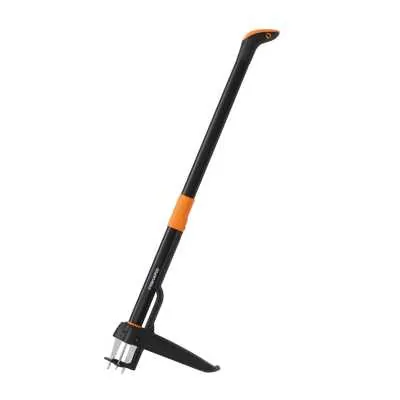
The claw weeder is an adequate solution when your weed problem gets out of hand. After all, a hoe can only do so much, and pesticides often damage the quality plants and produce.
This ergonomic claw weeder uses the force of leverage, which facilitates pulling out deep-rooted weeds. In addition to this, it will mostly use your leg power, which means no more backaches.
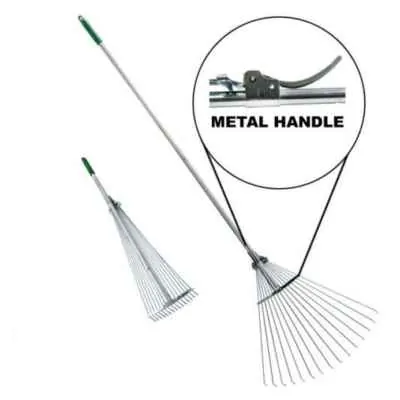
The classic leaf rake is a garden essential. Besides its usage in the loosening of soil, its long-toothed bar is also effective in collecting leaves, grass, hay, and other debris from the surface of any plant bed.
In addition to this, it can also come in handy for some light weeding and leveling. To save some storage space in your shed, I recommend the telescopic foldable rake by Professional EZ Travel Collection.
We finally reached the section discussing the best gardening tools and equipment you should consider for the irrigation tasks. You will find here watering cans, watering wants, and, of course, hoses. Make sure you pick the product that best serves your needs and works the best with the types of plants you grow (drought-tolerant ones and succulents need little to no watering), the volume of water you need to use to quench their thirst, the size of your garden, and more.
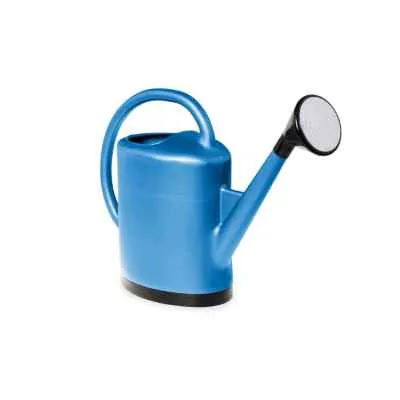
Plants need water to survive. You don’t even have to be an expert to know this. Owning a reliable watering can take care of this for the most part, as it is one of the best gardening tools out there.
I chose the French Blue watering can from Gardeners.com due to its outstanding capacity and lightweight build. The nozzle is definitely an advantage as well.
A watering can is more suitable for indoor gardens, or small outdoor ones.
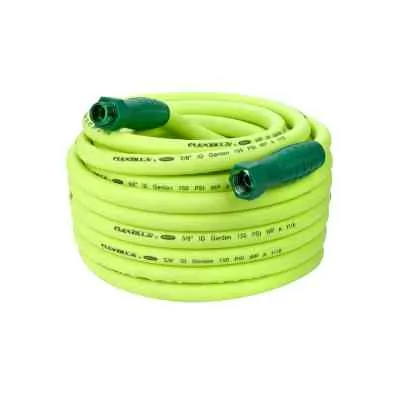
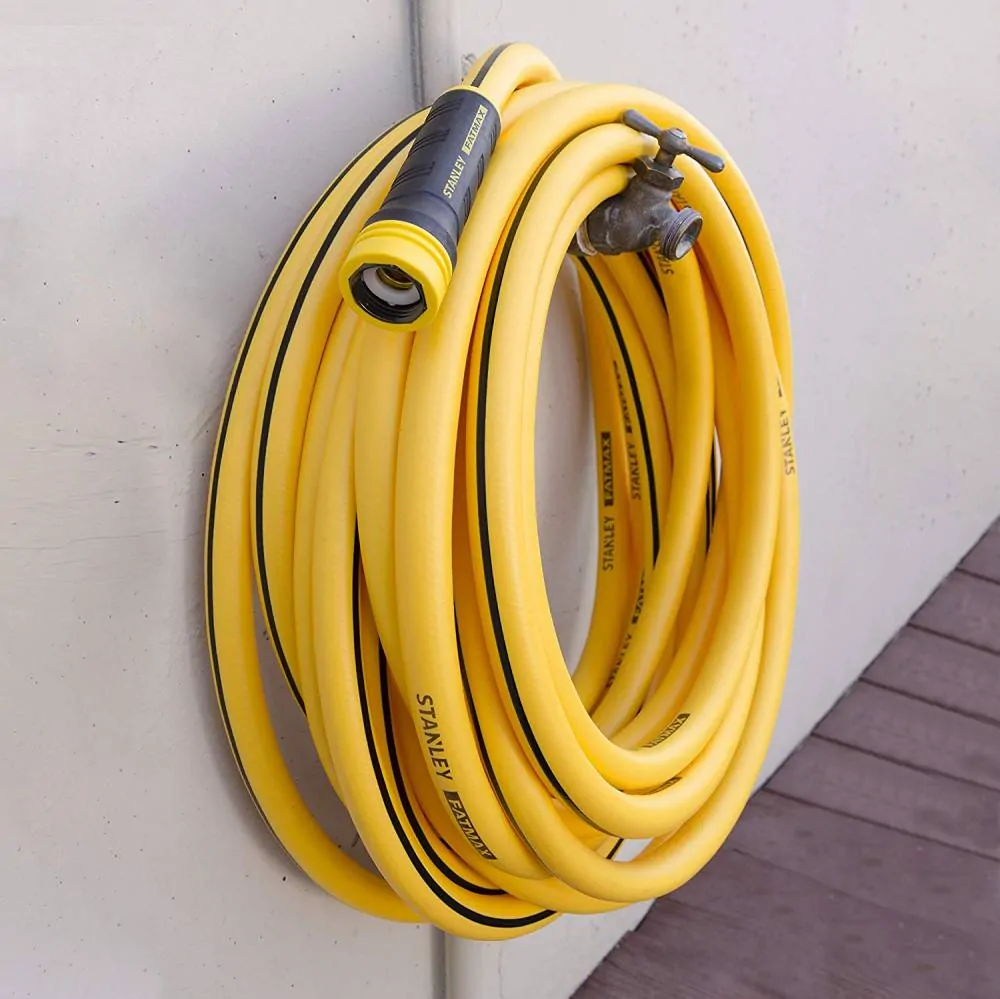
If you have a larger backyard and want your greenery to thrive, it’s crucial to invest in a reliable garden hose. This nifty hose by Flexzilla will take care of your shrubbery’s heavy-duty watering needs.
Looking for more options? Check out our reviews of the best garden hoses on the market in 2019!
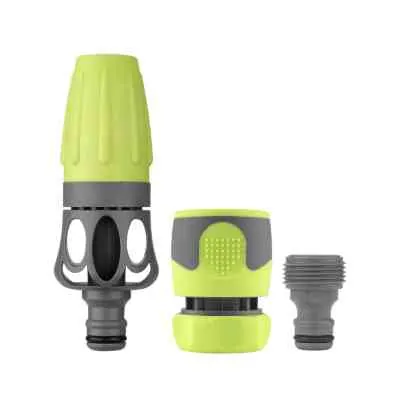
Any high-quality hose needs its matching set of nozzles that allow you to control water flow.
I chose the Flexzilla nozzle kit as it paired with the Flexzilla hose from a bit earlier.
If you already have a hose at home, ensure that you purchase a set of nozzles that fit it.
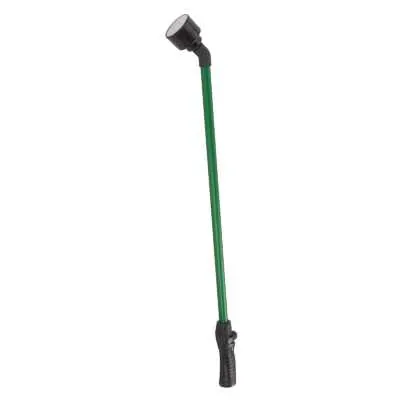
A watering wand basically transforms your hose into a faster watering can, thanks to its gentle, yet continuous flow of water.
With just one touch of the thumb, you can fully control the speed at which you nourish your garden with this lightweight watering wand, as well as eliminate the need for refills.
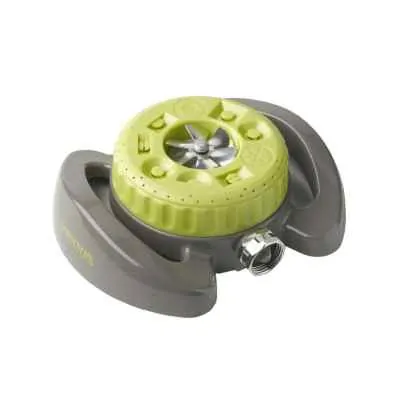
Investing in a sprinkler system is the automated way to water your plants. The 9-Pattern Turret Sprinkler I chose can cover up to 1,080 square feet of yard space, which makes it ideal for properties of any size.
In addition to this, it comes with a dial that allows you to control exactly where the H2O will go and where it won’t.
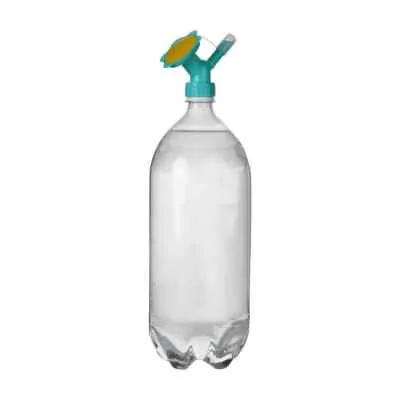
Are you an eco-conscious home gardener? The bottle watering spout is one of the best garden tools for you, as it turns any two-liter plastic bottle into a watering can.
This is a great way to repurpose empty containers without contributing to our planet’s waste problem.
Now, the time has come to discuss some of the most interesting and useful gardening tools, accessories, and essentials that will make your entire gardening experience and work a lot more comfortable and pleasurable as well! Among other accessories, I also recommend you use one of the most prestigious plants identification apps in case you are an absolute beginner and you want to understand better the garden/vegetation you are going to care for and love. Such apps also help you differentiate a plant from weed, many are free, so give them a try and let us know how that worked!
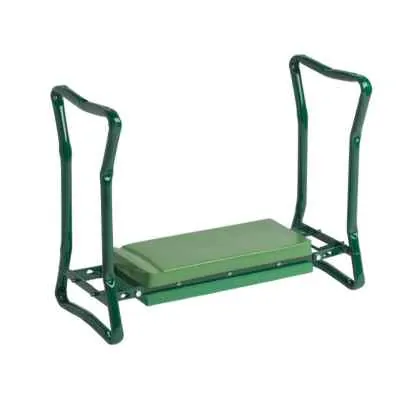
Let’s face it, your knees have it the hardest when you’re working in the garden. For this reason, a padded kneeler is one of the best garden tools that keep you comfortable during the day.
The Folding Garden Kneeler I chose can be flipped and turned into a cushioned bench at the end of the day for an additional dose of relaxation.
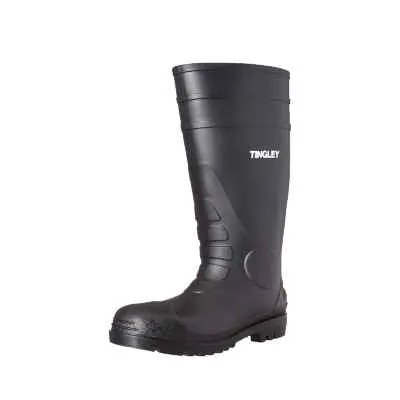
Outdoor gardens tend to get muddy, especially during the rainy season. Investing in a reliable pair of unisex rubber boots that are flexible and insulated is thus a must-have for any greenery enthusiast.
Go for a pair constructed with more resilient outsoles to ensure proper abrasion resilience, such as the TINGLEY Economy.
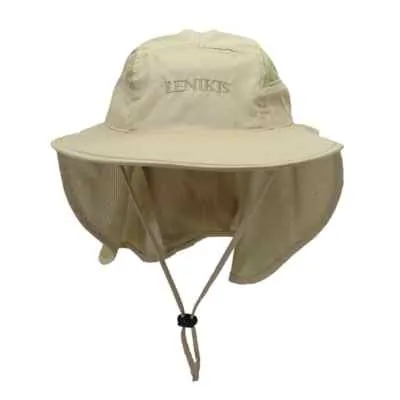
Gardening in the summer means spending hours outside in the scorching sun. Therefore, owning a dependable sunhat is mandatory during the hotter months of the year.
You get bonus safety points if you invest in a hat made with UPF fabric.
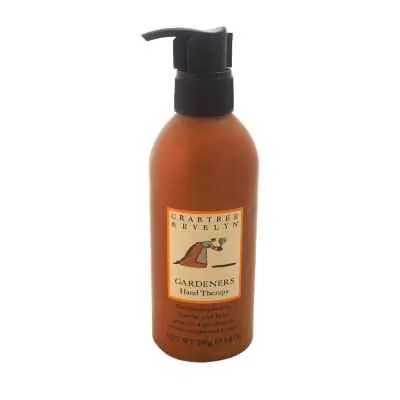
Depending on the difficulty of your gardening tasks, your hands might become sore and dry. My recommendation is to use a cream that is intensely moisturizing, such as the Crabtree & Evelyn specialized gardener’s formula.
This cream is infused with shea butter and macadamia nut oil, which will restore some vitality and hydration into your overworked skin.
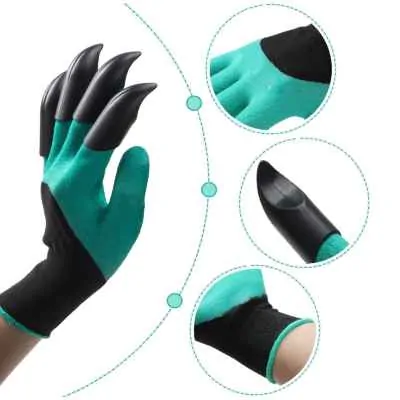
Standard gardening gloves are a tried and tested essential, and every home gardener knows that. Now let me introduce you to clawed gardening gloves.
These garden gloves come with a set of four plastic claws that can be removed and interchanged at ease. You can use the claws to dig holes, then plant seeds with your spare hand. In this way, you will get the job done a lot faster.
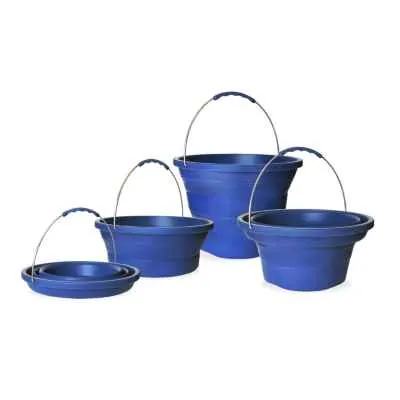
A bucket is an ideal means of transportation for gardening equipment or debris that isn’t large enough to require a garden cart.
My recommendation is to invest in a silicone collapsible bucket, as it can transform a plain container into one of the best garden tools on the market.
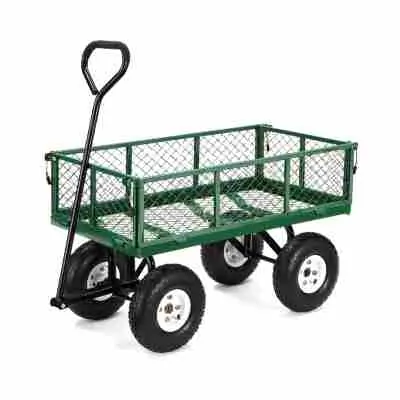
The garden cart is fundamentally a crate supported by four wheels with a handle that allows you to drag it about the yard.
Due to its flat bottom, you can even transport pots, buckets, and other containers without having to carry them one by one.
My favorite is the one from Gorilla Carts because it also has removable sides and a maximum capacity of 400 pounds.
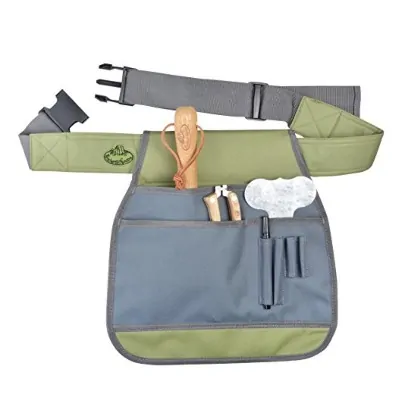
There are many tool belts on the market that you can use to store and transport handy items, but the Esschert’s Tool Belt has to be my favorite.
Its main appeal is that it is fully customizable, so you have the option to take as much or as little as you need with you.
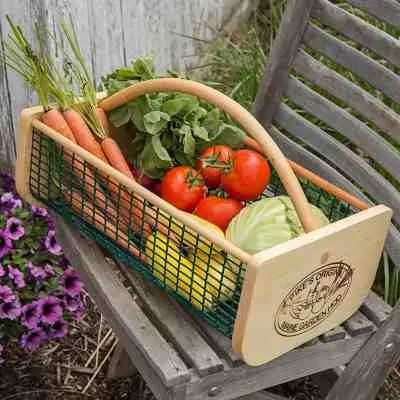
Is your garden more so geared towards growing produce? Investing in a sturdy harvesting basket will allow you to pick fresh fruits and vegetables in an effortlessly traditional manner.
Plus, the container can double as a pantry bin or magazine holder outside of reaping season!
I chose the basket from Maine Garden Products because I really like the design of the handle!
As I promised, here is my selection of DIY tools used for gardening if you want to recycle and reuse some items you already have in the house. It may or may not be a problem with your gardening budget, but wanting to waste as little as possible and breathe new life into other objects is the environmentally wise way to go about gardening. So watch the videos and let us know if you succeeded in replicating the creation of such DIY gardening tools at home! Don’t feel shy to use the comment section below to share your experiences with us!
Who would have thought that the humble plastic milk jug is one of the most versatile DIY tools used for gardening?
It can be used to create a myriad of handy and inexpensive garden helpers, such as flexible scoops, seed flats, and even mini-greenhouses.
All you have to do is cut them in the desired shape, and they will do the rest for you.
Instead of discarding plastic yogurt containers and contributing to the world’s polymer pollution problem, why not fashion them into cheap flower pots or cutworm collars?
They are the perfect size for young seedlings to thrive in.
You’d be surprised how many utilities you can find for old towels or tablecloths in your garden.
It can transport heavy items around the year, or even protect annuals from frost. Plus, cutting them into thin strips creates the perfect safe and secure ties for supporting your plants.
My favorite is the old towel planter; check out the video above.
Newspapers are ideal for creating no-dig plant beds, as they smother weeds and then decay into the soil naturally.
All you have to do is mow down the desired area, spread at least six layers of newspaper on it, then cover with mulch, compost, or soil.
Chopsticks are the perfect DIY gardening tool for starting new seeds in their pots. Cover the planter with a plastic bag to regulate moisture, and they will keep the bag from flopping down onto the soil.
It’s best to put in new ones, but if you’ve used them before to eat just give them a thorough wash.
Egg cartons are a favorite among home gardeners when it comes to starting seeds. Each cell can hold one or two as long as the drain hole at the bottom is punched properly.
However, bacterial contamination is a risk with this practice, so make sure you use Styrofoam cartons that are properly sanitized beforehand.
Once you’ve mastered the requirements of your hardiness zone and have your gardening all planned out, what’s left is reliable equipment.
This has been my garden tools list that will make any home gardener’s job a lot easier. I don’t own everything here yet, but I’m plan(t)ing on it. 😉 Regardless of the type of greenery you grow and tend to, you will definitely find something here that can improve the quality of your planting, cultivating, weeding, or harvesting.
Do you have a favorite? Are you looking forward to trying any of them? Or do you craft any tool of your own?
Let me know in the comments below. I would love to read all about it!
Monthly updates on your favorite plants and how to keep them alive, delivered straight to your inbox!
Privacy Policy
This privacy policy outlines what info we gather from our visitors and contributors, the tools we use to collect, store, and protect it, and how we use this information.
Like any other website on the World Wide Web, YouHadMeAtGardening.com records some info about you and your device during your visit. This privacy policy outlines how our team gathers, stores, protects, and uses the information it gathers from visitors of the YouHadMeAtGardening.com website.
By continuing to use this website, you implicitly agree to this policy; if you do not agree to some or all of the procedures listed on this page, you can opt out at any time, however, you might not enjoy the intended browsing experience.
Our team reserves the right to alter this privacy policy with no prior notice to you. However, if the alterations made affect your personal data in any way, you will be notified immediately by email, on our homepage, or here.
Information YouHadMeAtGardening.com Collects
Our systems gather personally and non-personally identifiable information from visitors of the YouHadMeAtGardening.com website.
The only personally identifiable information we collect is your name and e-mail address only when leaving comments if you’re a visitor, or when submitting content and leaving comments, if you’re a contributor.
However, if you are not comfortable with providing your personally identifiable information to us, you can also use an alias instead of your real name and e-mail address without breaking any rules or regulations currently in use.
Note: If you submitted a comment using your personally-identifiable information and want it removed, you can always contact us and we will remove your info in 30 days.
The non-personally identifiable information we collect is your IP address, ISP information, device and browser info, and your browsing patterns – specifically the pages and websites you visit. This information cannot be used to track down your identity.
How We Collect Your Information
We use the following tools to gather personally and non-personally identifiable information from visitors and contributors:
• Cookies: these tiny text documents contain unique identifiers that are stored in your computer after your expressed consent. Cookies collect non-personally-identifiable information about your browsing patterns, which helps us pinpoint the areas of our website that require extra work and the areas that fully meet your needs.
• Log files: These tools record browser and device information, browsing patterns, websites that referred you to the YouHadMeAtGardening.com website, pages our website referred you to, and other types of non-personally identifiable information.
• Sign-up forms: these requests only come up when registering for our newsletter and is the only way our team collects personally-identifiable information from visitors.
How We Protect Your Information
All information we gather, both personally and non-personally identifiable, is stored in systems and databases managed only by the YouHadMeAtGardening.com team. We use the latest security measures to make sure the information you provide and the information we gather stays confidential, such as encryption, user behavior monitoring, and a series of managerial procedures.
How We Use Your Information
We only use your personally and non-personally identifiable information to improve the quality of the website and your browsing experience while here. We want to know which pages and sections of our website satisfy your needs and are of real value to you and which ones need improvement so we can make the proper adjustments. We also use your information to make sure the website is properly displayed on your device and browser.
If you choose to opt in for our newsletter, we will also use your information to keep in touch.
However, know that the YouHadMeAtGardening.com team will never share your information with other parties in exchange for financial rewards or any other kind of benefits. Some third parties might get very limited access to your info, but only to your non-personally identifiable information and only as we described above.
The personally identifiable information you provide is strictly confidential, therefore we will not share it with anyone.
Advertising
This Site is affiliated with CMI Marketing, Inc., d/b/a CafeMedia (“CafeMedia”) for the purposes of placing advertising on the Site, and CafeMedia will collect and use certain data for advertising purposes. To learn more about CafeMedia’s data usage, click here: www.cafemedia.com/publisher-advertising-privacy-policy
Hey, I just read your article. Thanks for sharing such great information. I love gardening & my favorite gardening tool is a machete. How long have you been gardening?
Hello Usama, thank you for your comment! We’re glad you found our article useful! Denis has been gardening for more than half his life, since he was just 10 years old!