
Looks can be very deceiving when it comes to flowers. So, today we will offer you a list consisting of 21 gorgeous but deadly flowers and poisonous plants as well as a quick summary and pictures of some of the deadliest plants in the world.
However, just like us, plants have been evolving for hundreds of thousands of years and have developed different self-preservation measures to protect themselves. Despite having predators, they have flourished by developing thorns, spines, and even deadly chemicals.
In this article, we’ll discuss 21 deadly flowers and lethal plants to watch out for. These dangerous flowers look harmless to the naked eye, but also contain toxins and poisonous substances that can be lethal for both humans and pets. Moreover, since we are in the fun section of this website, we will also present you with some of the deadliest plants and most poisonous species of vegetation that Mother Nature created for our amazement (and dismay.) Without any further introductions, let’s begin our “deadly journey”.
What do we hope that you learn from this article? Don’t go around eating flowers and plants if you’re not 110% sure they are safe to consume. Be especially careful if you have children and pets in the presence of these plants. It doesn’t take much for some of these flowers, plants, and roots to kill someone.
*Note: if you feel like you are having allergic reactions to a plant or flower please contact your physician or even 911. This article is intended to be used for educational purposes only, and does not include any treatments or treatment advice.
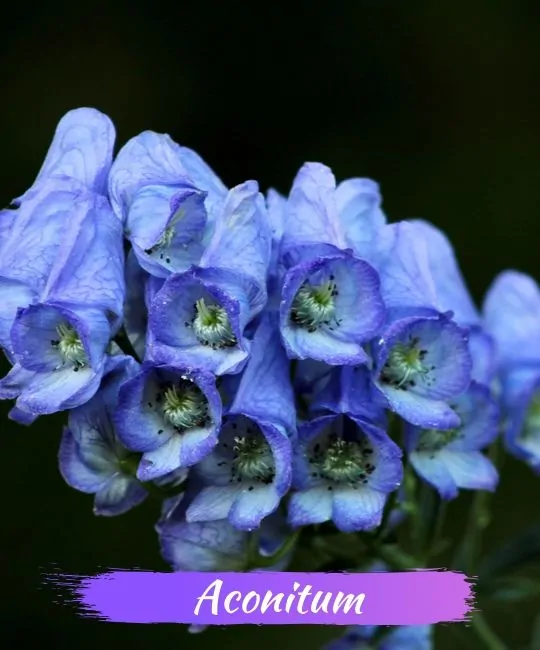
The first entry on our list of deadly flowers is Aconitum, also known as wolfsbane. It may belong to the buttercup family but there is nothing sweet or nice about it (except for its beauty.) A few drops of juice from this deadly flower’s roots and you may have some heart failure and cardiac muscles’ paralysis to deal with. It can also cause numbness and tingling. In other words, stay away from this plant!
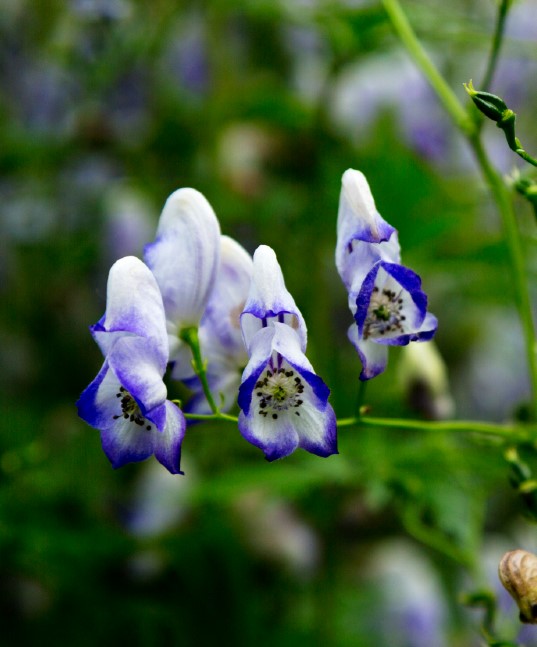
How many people have died from Aconitum? Many, hundreds, if not thousands. It can be lethal with as little as 1 gram of plant consumption!




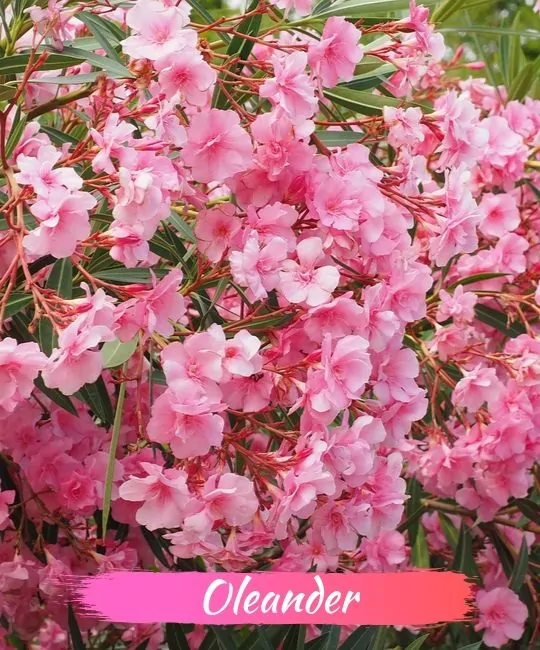
Oleander, known since Ancient Greece and Rome and described by Plinius, is one of the most toxic and deadly garden plants in the world. You may think about using it as an ornamental shrub or hedge, but keep in mind that the whole plant is poisonous. If you or your pet eat any part of an oleander plant, the poisoning symptoms can range from vomiting and diarrhea to seizures, coma, and possibly even death. Also, make sure you don’t even touch it, as some people suffer severe skin reactions upon contact.
How many people have died from Oleander? It is estimated that less than 100 adults have perished from oleander poisoning, but more toddlers and young children. It can be fatal with as little as 15 grams of oleander root or 8 seeds of the flower.
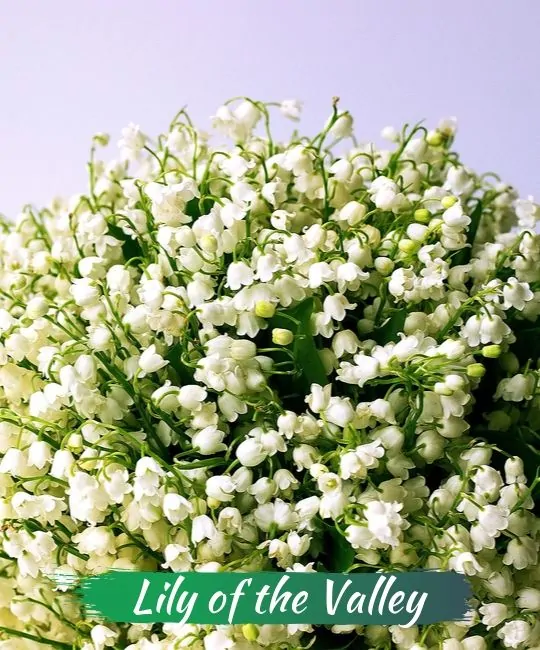
The Lily of the Valley smells terrific but if you accidentally ingest this flower, expect the worst. Lily of the Valley is a “grade 1” deadly flower on the poison scale. Also, it has cardiac glycosides, which are a class of substances that inhibit the Na+ K+ ATPase enzyme. This increases the force of heart contractions which create a similar effect as the digitalis effect, meaning that this delicate, gorgeous, tantalizing flower is also one of the deadliest killer plants in existence.
How many people have died from Lily of the Valley? We couldn’t find any recorded human deaths of this flowering plant despite the high concentrations of toxins found therein. It is said that it can be fatal to consume as few as two leaves for young children and pets or as little as 0.2% of a mammal’s bodyweight.
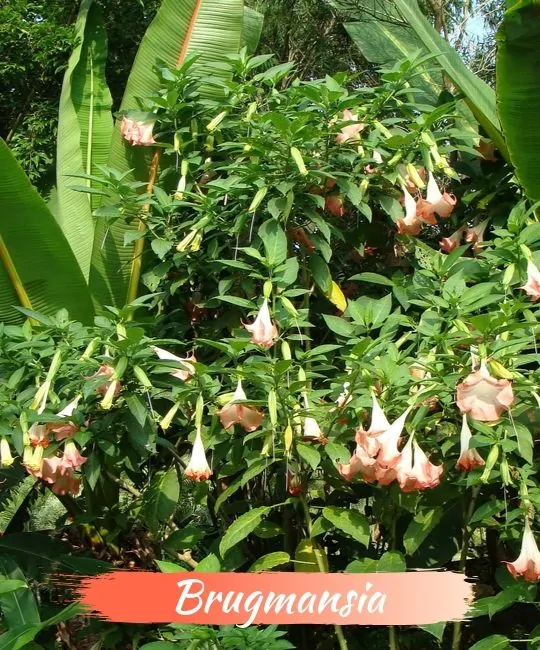
One of the most toxic ornamental plants out there, Brugmansia contains alkaloids that you do not want to ingest or touch. Interestingly enough, the toxins of this plant – scopolamine, atropine, and hyoscyamine – are used in medicine and pharmacology, however the use of any part of this plant can be deadly without doctor supervision. We strongly suggest that you keep your distance!
How many people have died from Brugmansia? At least 45 fatalities have been reported from Brugmansia and Datura poisoning since 1983. It can kill people with as little as 10 milligrams of brugmansia, which equates to as few as 10 flowers.
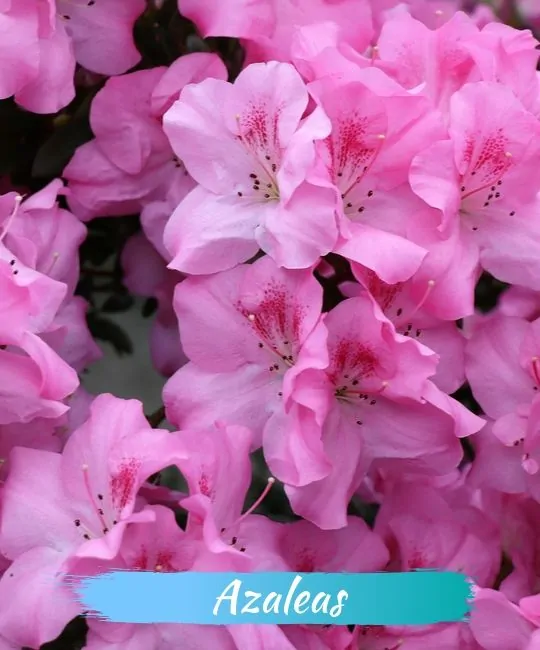
All parts of azaleas are poisonous for humans and animals. While azaleas are gorgeous to look at, they are deadly flowers containing grayanotoxins. Consuming a small amount of this plant may not likely lead to severe illness, but consuming a large amount of the plant can lead to life-threatening conditions.
How many people have died from eating azaleas? It is estimated that very few adults have died from azalea poisoning, but more children, animals, and reptiles. It can be fatal with as little as 100 grams of azalea leaves for children.
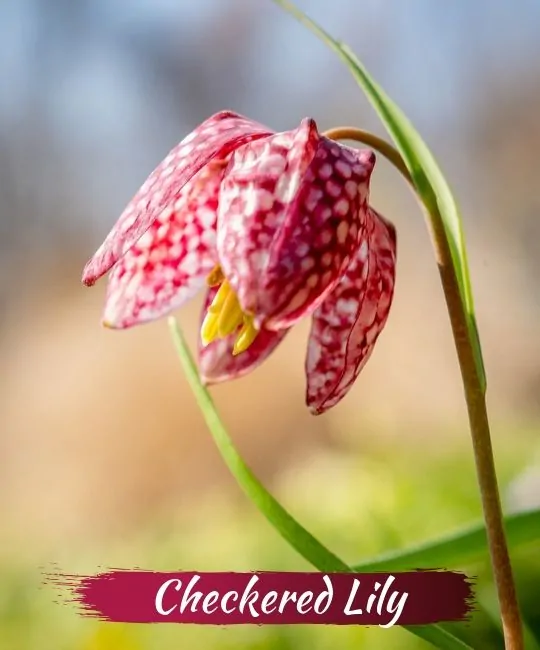
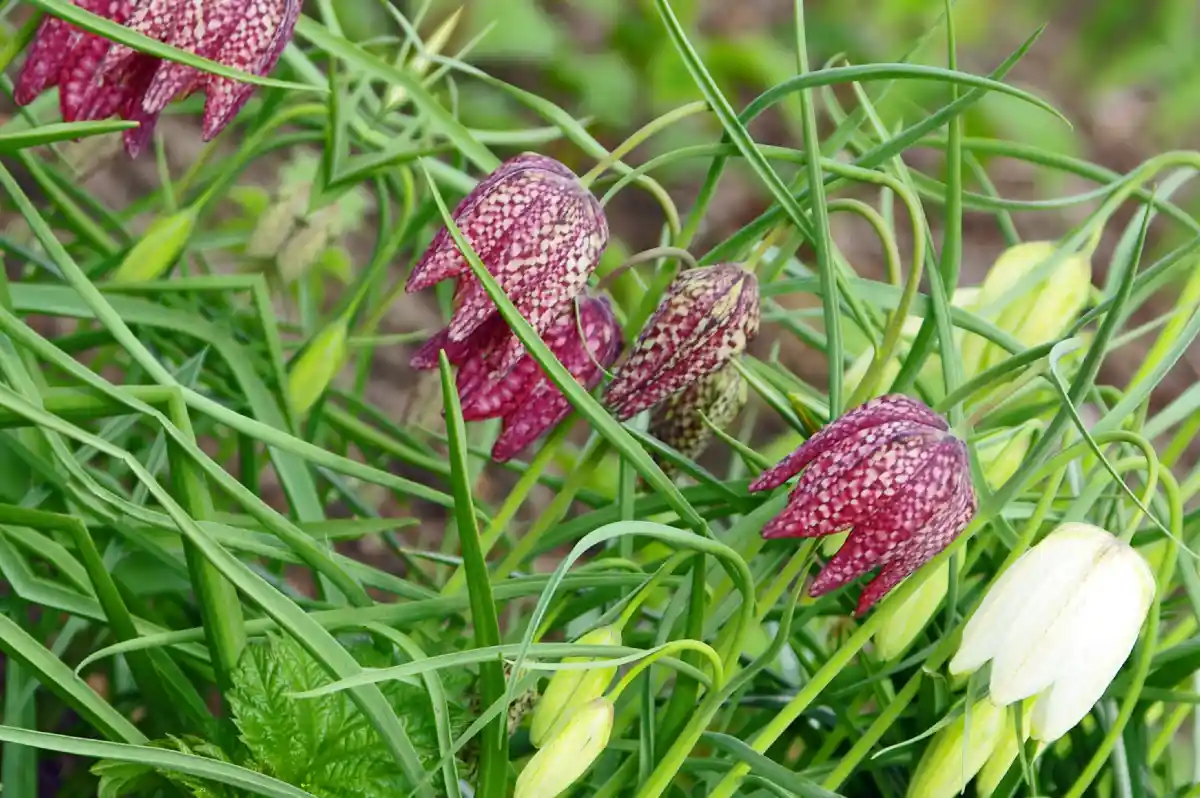
You may have heard about this flower as a snake’s head fritillary. As the title suggests, this plant is poisonous like a venomous snake. Like the lily of the valley, the checkered lily is a grade-1 poisonous plant that you should handle with a lot of care. Seriousness aside, it somewhat reminds us of the piranha plants in Super Mario Bro’s.
How many people have died from eating checkered lily? We could not find any recorded deaths from checkered lily consumption in our research but it doesn’t take much for it to be toxic for cats. Felines that have consumed as little as two leaves of this lily can die in as little as 3 days.
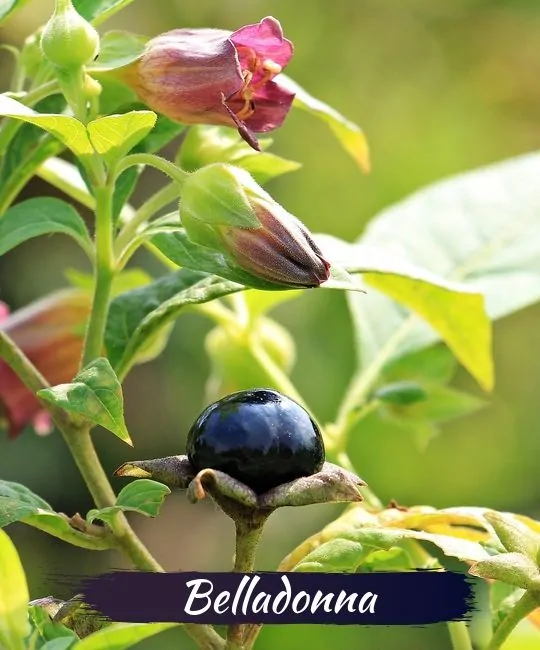
This perennial herbaceous plant in the nightshade family Solanaceae is as deadly as its reputation. You’ve probably read crime novels or seen CSI TV shows related to belladonna poisoning. According to the USDA Forest Service, belladonna means “beautiful woman” in Italian but is still a very poisonous flower!
With all these highly toxic compounds, one might wonder why deadly nightshade was and is still being used by people. As with many poisonous plants there are many reasons for their use, both good (medicinal) and bad (weapons and poisons). The Romans used belladonna as a biological weapon to contaminate their enemies’ food reserves. In Shakespeare’s play, Macbeth, the Scottish army defeats the Danes by contaminating their liquor supply with belladonna, inducing a deep, comatose sleep, and murdering them in their hapless state. Deadly nightshade was also an important plant in the medieval witches’ pharmacopoeia in brews and salves, used as a constituent in their flying ointments. During World War II, the Germans invented a deadly, odorless nerve gas and the only antidote to its paralyzing effects turned out to be atropine(found in belladonna.)
How many people have died from consuming belladonna? It is unknown but is much more dangerous for children since they’re smaller. There are many stories, perhaps fables of people using it throughout written history to poison their enemies. It is said that as few as ten berries ingested can be lethal to an adult.
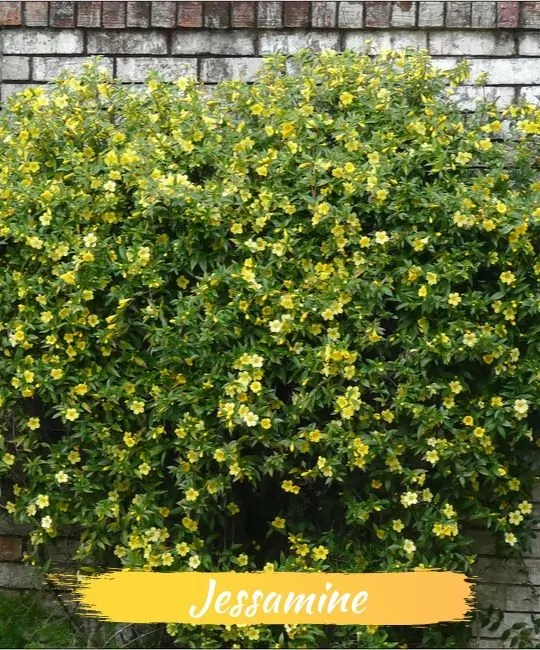
Carolina jessamine is a common garden plant loved for the profusion of yellow flowers it yields in the summer. However, it is also one of the deadliest flowers out there. It contains neurotoxic alkaloids that affect nerve endings and can cause paralysis, muscle weakness, and clonic convulsions and seizures in all mammals (both animals and humans.) Also, the whole plant is poisonous, but you have to watch out for the flowers and roots with even more care as they are the most dangerous.
How many people have died from jessamine? There are several cases of adults and children passing away from intentional (suicide) or accidental consumption. Just ingesting one flower can be enough to be lethal to children and pets.
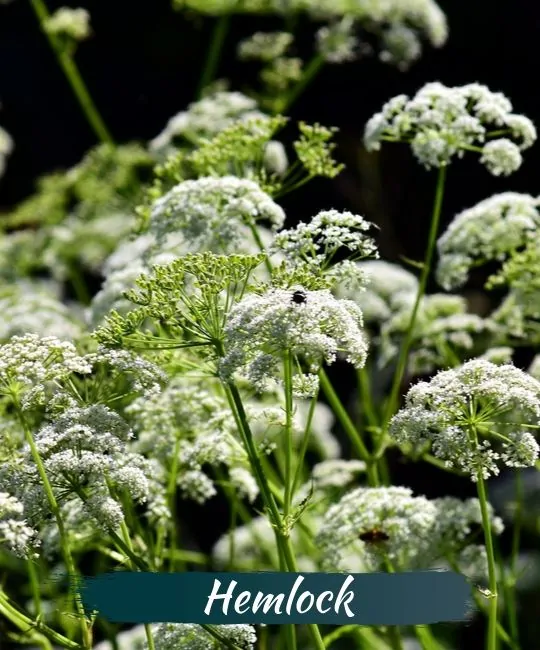
Poison hemlock (Conium maculatum) is one of the most poisonous and deadliest plants in the world. However, you should know the difference between poisonous hemlock and Queen Anne’s lace (Daucus carota). Poisonous hemlock grows throughout the United States. It is toxic to pets, livestock, and humans, so make sure you keep an eye on it should you choose to grow it in the garden.
Even though both are in the Apiaceae family and have hollow stems, poison hemlock’s stem is hairless and has purple blotches. Also, even a very young poison hemlock will display the purple blotching. On the other hand, the stem of Queen Anne’s lace doesn’t have purple blotches and is hairy. See the photos below for a comparison.
How many people have died from poison hemlock? There are several reported deaths from poisonous hemlock. According to a CDC report on hemlock poisoning it is reported that at least 63 people have died between the years 1979 through 1992 from accidental consumption. It can be fatal with as little as 150 milligrams eaten.
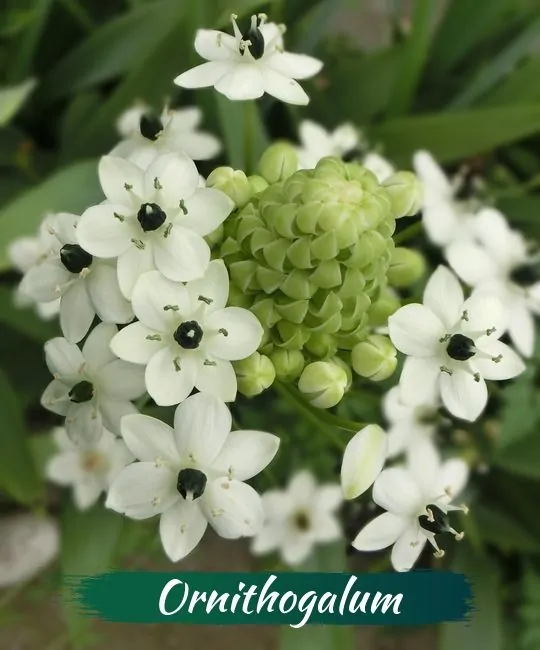 Every bit of this cool-season perennial of the Lily family is poisonous. Make sure you stay away from its bulbs and roots as they are the most dangerous and poisonous. This deadly flower – that blooms in late spring or early summer – contains cardiac glycosides that have life-threatening side effects. Also, you should never use it as medicine.
It’s important to know what it looks like. Its flowers are showy white with six petals on each. The petals have a noticeable greenish stripe down the middle on the back. Please keep your dogs and other animals away from it, as it can really harm them too!
How many people have died from ornithogalum? We couldn’t find any reported human deaths but deaths in canines has happened. It has also caused blindness in cattle. This flower can kill a horse (and likely an adult human) by eating as few as eight flowers.
As we said earlier, here we will resume with 11 more poisonous flowers you should know about before planning your garden. Planting these flowers and ornamentals in your home or garden could be disastrous! With that being said, let’s learn a little about these 11 other deadly flowers!
What did you think about our list of the 10 most beautiful but lethal flowers and eleven more dangerous flowering plants you should stay away from? In the comments below tell us what you think about these powerful plants. Also, if you’d like us to add one or more dangerous and poisonous plants to the list, let us know in the comments section. We are also truly interested to find out if you had any experience with these twenty-one plant murderers. We do, however, hope you don’t have any experiences of this kind!
Be very careful around these plants, as they are dangerous for both humans and pets. If you happen to come into contact with these or others that give you a reaction please seek medical help immediately so that you don’t become the next statistic!

Monthly updates on your favorite plants and how to keep them alive, delivered straight to your inbox!
Privacy Policy
This privacy policy outlines what info we gather from our visitors and contributors, the tools we use to collect, store, and protect it, and how we use this information.
Like any other website on the World Wide Web, YouHadMeAtGardening.com records some info about you and your device during your visit. This privacy policy outlines how our team gathers, stores, protects, and uses the information it gathers from visitors of the YouHadMeAtGardening.com website.
By continuing to use this website, you implicitly agree to this policy; if you do not agree to some or all of the procedures listed on this page, you can opt out at any time, however, you might not enjoy the intended browsing experience.
Our team reserves the right to alter this privacy policy with no prior notice to you. However, if the alterations made affect your personal data in any way, you will be notified immediately by email, on our homepage, or here.
Information YouHadMeAtGardening.com Collects
Our systems gather personally and non-personally identifiable information from visitors of the YouHadMeAtGardening.com website.
The only personally identifiable information we collect is your name and e-mail address only when leaving comments if you’re a visitor, or when submitting content and leaving comments, if you’re a contributor.
However, if you are not comfortable with providing your personally identifiable information to us, you can also use an alias instead of your real name and e-mail address without breaking any rules or regulations currently in use.
Note: If you submitted a comment using your personally-identifiable information and want it removed, you can always contact us and we will remove your info in 30 days.
The non-personally identifiable information we collect is your IP address, ISP information, device and browser info, and your browsing patterns – specifically the pages and websites you visit. This information cannot be used to track down your identity.
How We Collect Your Information
We use the following tools to gather personally and non-personally identifiable information from visitors and contributors:
• Cookies: these tiny text documents contain unique identifiers that are stored in your computer after your expressed consent. Cookies collect non-personally-identifiable information about your browsing patterns, which helps us pinpoint the areas of our website that require extra work and the areas that fully meet your needs.
• Log files: These tools record browser and device information, browsing patterns, websites that referred you to the YouHadMeAtGardening.com website, pages our website referred you to, and other types of non-personally identifiable information.
• Sign-up forms: these requests only come up when registering for our newsletter and is the only way our team collects personally-identifiable information from visitors.
How We Protect Your Information
All information we gather, both personally and non-personally identifiable, is stored in systems and databases managed only by the YouHadMeAtGardening.com team. We use the latest security measures to make sure the information you provide and the information we gather stays confidential, such as encryption, user behavior monitoring, and a series of managerial procedures.
How We Use Your Information
We only use your personally and non-personally identifiable information to improve the quality of the website and your browsing experience while here. We want to know which pages and sections of our website satisfy your needs and are of real value to you and which ones need improvement so we can make the proper adjustments. We also use your information to make sure the website is properly displayed on your device and browser.
If you choose to opt in for our newsletter, we will also use your information to keep in touch.
However, know that the YouHadMeAtGardening.com team will never share your information with other parties in exchange for financial rewards or any other kind of benefits. Some third parties might get very limited access to your info, but only to your non-personally identifiable information and only as we described above.
The personally identifiable information you provide is strictly confidential, therefore we will not share it with anyone.
Advertising
This Site is affiliated with CMI Marketing, Inc., d/b/a CafeMedia (“CafeMedia”) for the purposes of placing advertising on the Site, and CafeMedia will collect and use certain data for advertising purposes. To learn more about CafeMedia’s data usage, click here: www.cafemedia.com/publisher-advertising-privacy-policy