
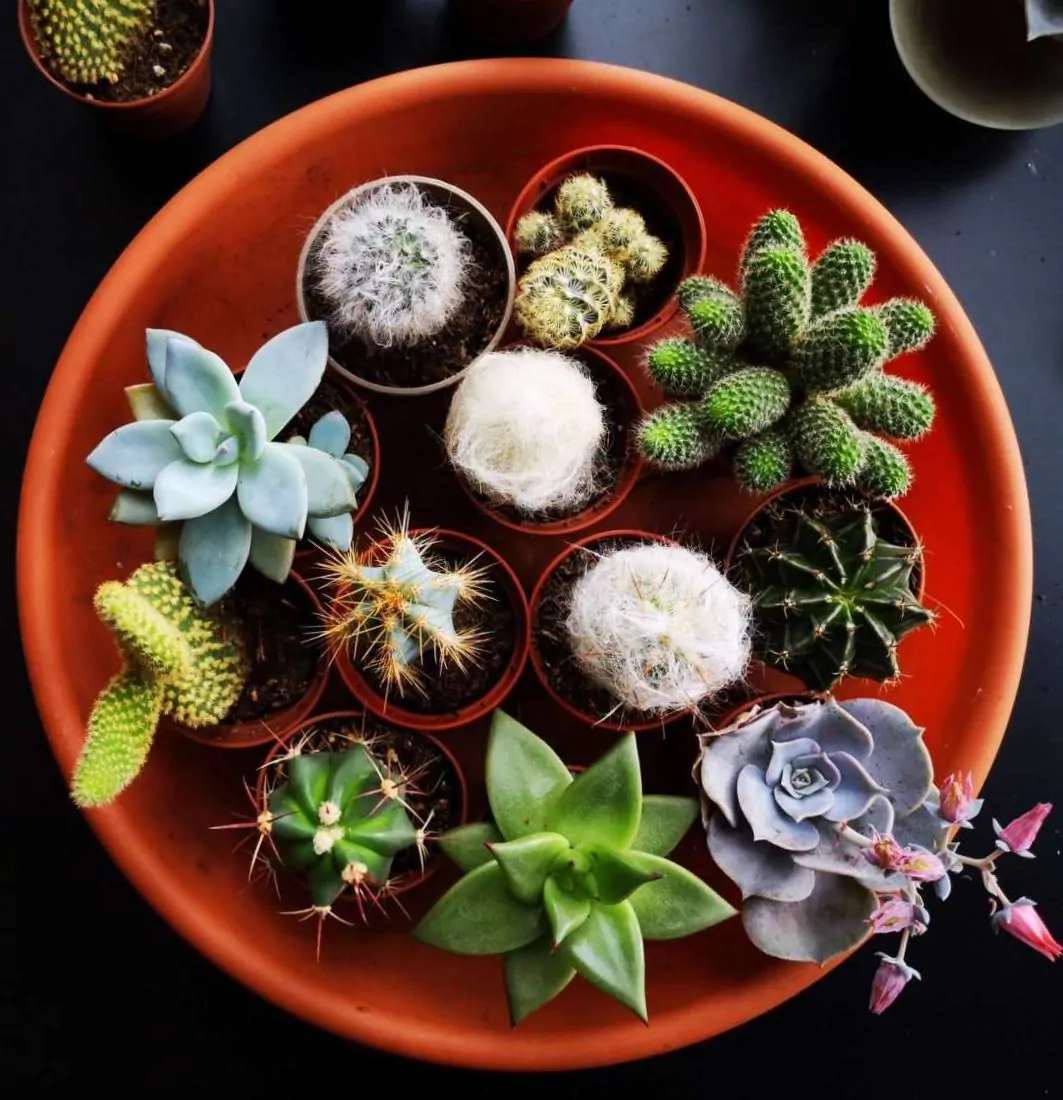
Cacti and succulents are by far the easiest and most rewarding plants to grow. Even though they don’t need much and thrive on neglect, cacti and succulents are far from being unkillable. To make sure your buddies stay alive, we’ve created this comprehensive article that explains everything you need to know about how to care for succulents and cacti – from the moment they enter your home.
We’re going to cover topics such as:
Disclaimer: This article contains affiliate links, and if you decide to buy through any of the links found here, we receive a small commission at no extra cost for you. We only suggest products we tested ourselves or products found on our wishlist, nothing else. Thank you for your support!
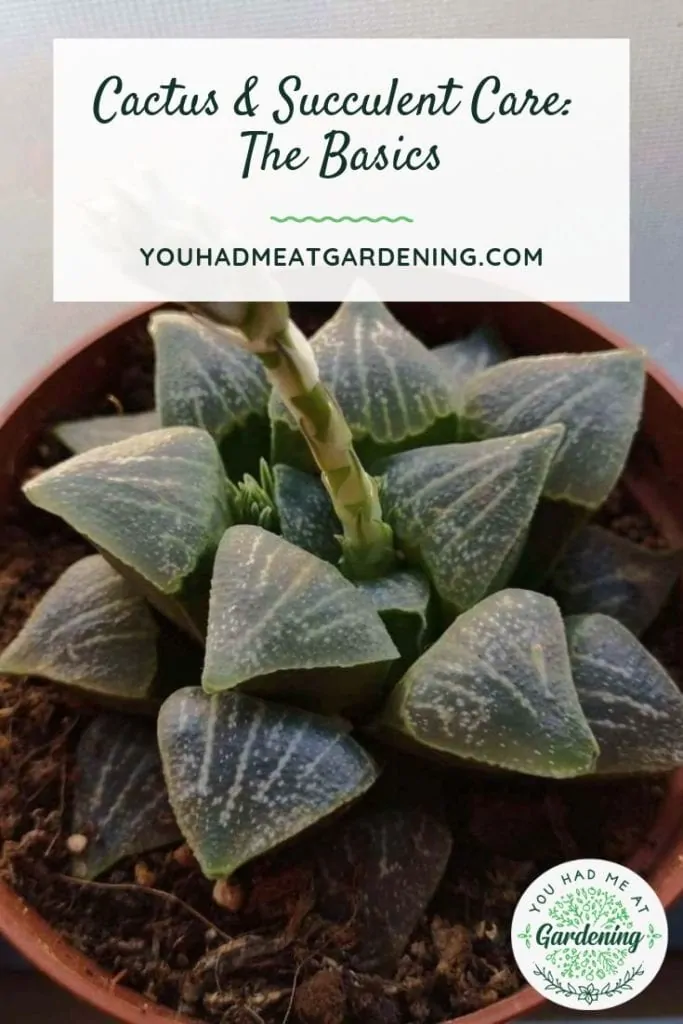
Cacti and succulents are native to dry habitats such as deserts, semi-deserts or steppes.
Therefore, they’re pretty accustomed to low humidity, high temperatures, and lots of sunshine.
In their natural environment, some can survive without a drink for up to 2 years!
Another important thing to know right from the start: like most plants, cacti and succulents have a growing phase and a dormancy phase.
However, there are both warmer (e.g. Echeveria) and cooler (e.g. Aeonium) temperature loving succulents and cacti, so do your research before getting one!
When entering their dormancy phase, plants stop or slow down new growth and any metabolic process.
Although not all succulents and cacti might naturally enter dormancy when grown indoors, a resting period is highly recommended for healthy growth and generous flowering during the next growing season.
If yours don’t seem to stop growing during its dormancy phase, an important step in your succulent care routine is to force it into dormancy.
Not all succulents and cacti are created equal!
As a general rule, outdoors cacti and succulents need at least 6 hours of bright, indirect sunlight per day for proper growth. However, when it comes to indoor succulents and cacti, it’s better to place them near the brightest window.
Insufficient lighting generally results in etiolation for most cacti and succulents, but there are a few exceptions to this rule!
Snake plants, Gasterias, Jade Trees, Peperomias, or Christmas and Easter cacti can survive without direct sunlight, but this will also significantly slow down growth.
The sunniest windowsill in your home will provide the best microenvironment for your succulents and cacti.
Generally, you should aim for a south-facing windowsill if you’re going for the best succulent care conditions.
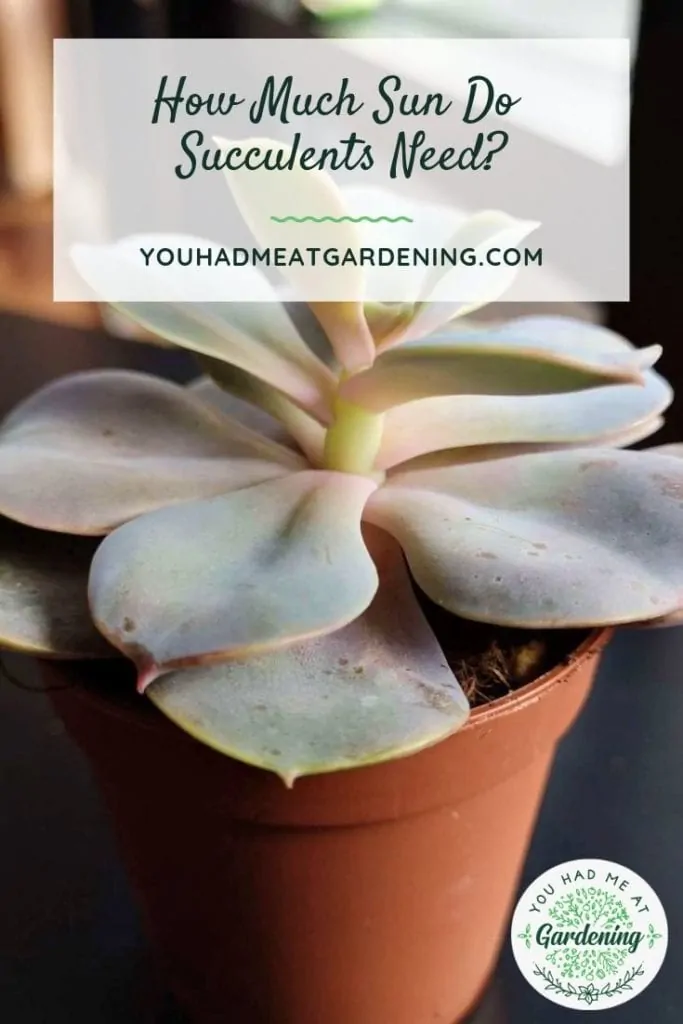
Don’t forget to take into consideration the type of succulents or cacti you have. While some can thrive in a full sun environment, others will just get burned.
For example, succulents with bright colors like red or purple require a lot of direct sunlight, which makes them unfit for indoor growing.
Some succulents change their colors when light is stressed and that’s okay. In fact, most show off their true colors when exposed to proper lighting, so that usually means you’re doing something right!
Also, if you don’t have a sunny windowsill, you can always supplement lighting with grow lights. Check out Mari’s article on the best grow lights for your indoor plants.
Watering succulents isn’t tricky per se. My experience has taught me that the trickiest part is keeping yourself from over-watering them!
Like most plants, cacti and succulents can handle drought much better than soggy soil.
This is one of the reasons why succulent care is generally considered easy.
I haven’t had a single cactus or succulent plant that didn’t come back even after forgetting about it and not watering it for months.
However, few can come back from over-watering and root rot.
Assuming it has the right type of soil, you should water succulents and cacti:
The best indicator for a succulent in desperate need of a drink is shriveled leathery leaves.
In some species, leaves might also become a bit translucent as they lose moisture. Others might start to root from the stem in search of more water.
Leaves can also tell you when you’re overwatering succulents. Soft, squishy, and yellowing leaves that keep falling off are generally associated with root rot caused by overwatering.
When watering succulents, the most harmful practices are getting the leaves or body of the plant wet and letting them sit in water.
The best technique for watering succulents is to pour water on the soil avoiding the leaves as much as possible. Allow the soil to soak for 5 to 10 minutes, then pour out any excess water from the tray or pot.
Pro tip: When watering succulents, the best practice is never to have any leftover water in the tray or pot. Even though this won’t kill your plant, it will wash out some of the nutrients in the soil.
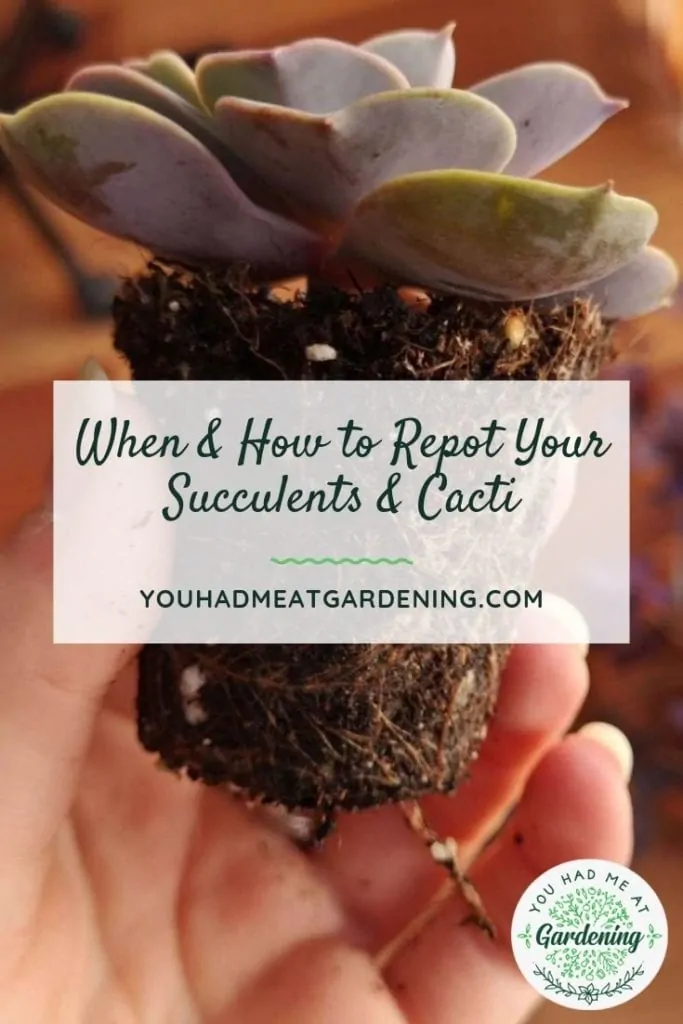
The best time to repot succulents and cacti is right at the beginning of their growing season.
Unlike most houseplants that need repotting every year, succulents are slow growers that can comfortably sit in the same container for 2 years or more.
One of the basic rules of how to care for succulents and cacti is: repotting a plant doesn’t always mean changing its planter, too! With time, nutrients in the soil are washed away with excess water or absorbed and used by the plant.
If you notice slower growth than usual during the growing seasons, it might be time for a soil change.
To sum it up, you will need to change the planter:
Succulent care is easy, right?
No matter if you’re sticking with the same planter or upgrading to a bigger one, here’s how to repot a succulent.
Step 0 in the whole repotting process would definitely be gathering the stuff you’ll need: your succulent, of course, soil, and a pot.
The best soil for succulents and cacti is a well-draining, porous mix that allows airflow to the roots and doesn’t hold moisture for too long.
Peat moss or coco choir, ground bark, coarse sand (perlite, granite, pumice, calcinated clay, or chicken grit), and rich, organic soil are the basic ingredients in any succulent care mix.
From what I’ve researched, the following succulent soil mixes are just the thing:
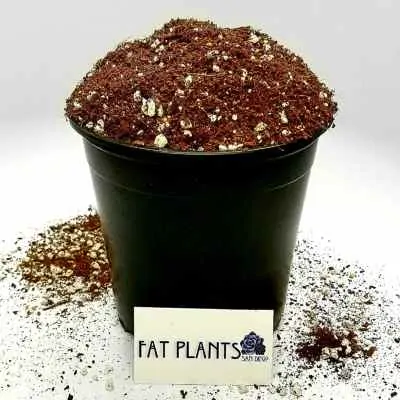

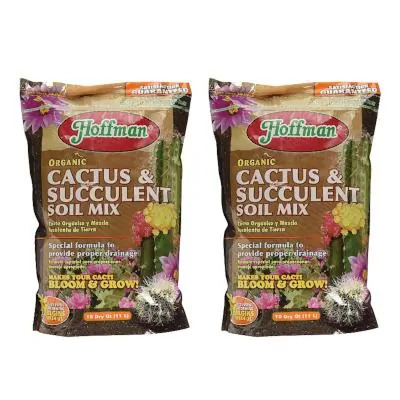
If you want to go the whole DIY way with your succulent care, mix the following ingredients in equal amounts:
The rule of thumb when repotting succulents is that the new container should be no more than 25% bigger than the old one. Proper drainage and air circulation to the roots are also essential.
This is why ceramic planters are the best pots you could use for your succulents. Anything goes, really, but here are some lovely options available at Amazon.
Also, don’t forget to check out our article on the 21 best succulent pots for every garden style. You won’t be disappointed!
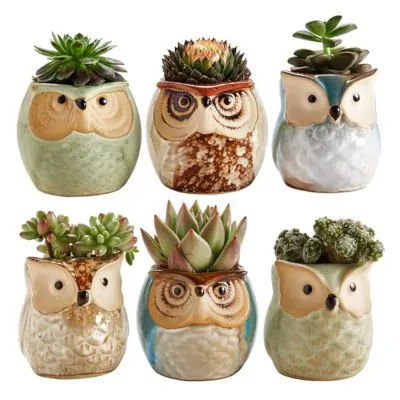
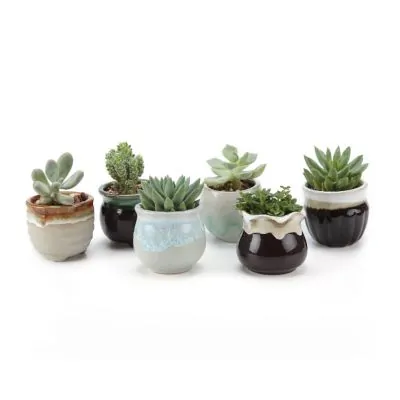
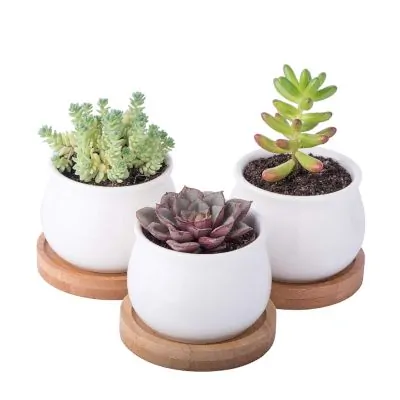
Plastic pots will do, too, as long as they have plenty of drainage holes.
However, stay away from self-watering planters as these will drastically increase your chances of killing your succulent by overwatering.
Of course, if you want to go big, you can also add cute decorations or cover the soil with pebbles or sand.
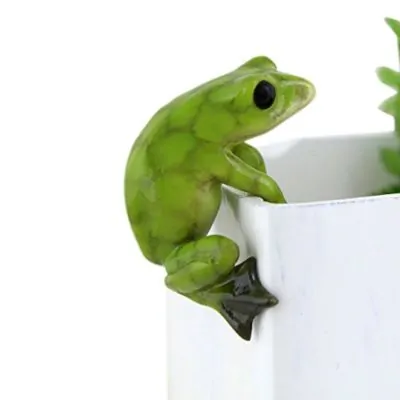
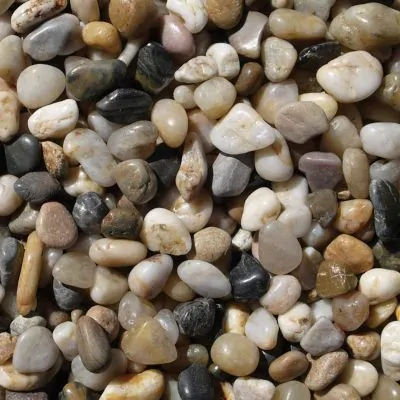
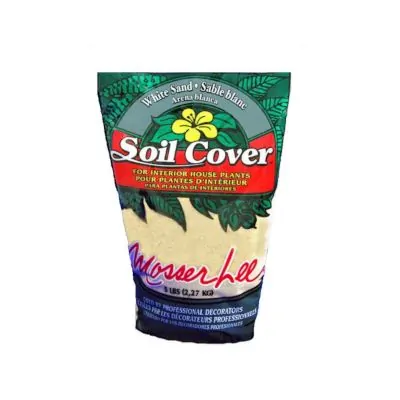
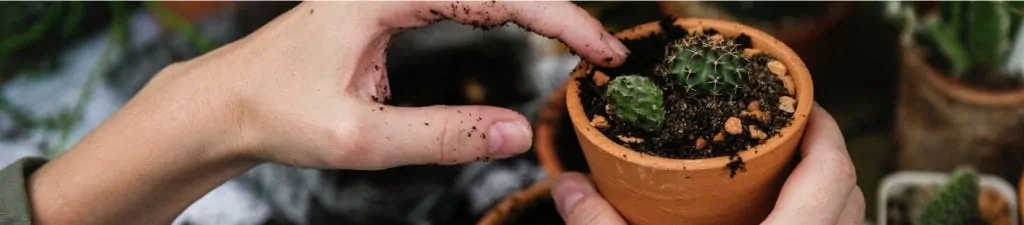
Without further ado, here’s the step by step process of repotting a succulent:
Of course, these steps also apply to soil changes.
As mentioned before, succulents and cacti can do okay in poor soil as long as it’s well-draining.
If you want your succulents to really thrive and even flower ( check our article on flowering succulents), you might need to provide some extra nutrients.
The perfect succulent fertilizer should combine nitrogen, phosphorus, and potassium in equal parts.
Most commercial slow-release fertilizers are very potent and might kill your succulents, so stay away from them or drastically reduce the amount you’re using.
Commercial water-soluble fertilizers might be a better pick. Most specialists recommend diluting it to about ¼ of the recommended strength and adding it to the water for each watering in the growing season. Of all the options for fertilizing succulents, this one is my favorite.
Another interesting option is manure tea. It’s an organic fertilizer made out of fermented and cured manure.
Although I haven’t personally tried this one out, the manufacturer and most customers mention it’s highly effective and doesn’t burn the leaves as most commercial water-soluble fertilizers do.
Even though succulent care is easy, these plants are far from being unbreakable.
Aphids, mealybugs, and spider mites are just some of the most common and damaging succulent pests, not to mention fungi infestations caused by overwatering.
Fortunately, most have a cure, be it a thorough shower with a bit of dish soap and Neem oil, or just a proper repotting.
The most important thing is to properly diagnose them from the start.
Now that you know what succulent care means, all you have to do is sit back, relax, and admire your plants!
And if you still have questions about succulents and cacti care, make sure you also go through Mari’s article on why are succulent leaves falling off. It’s a well-documented resource that will definitely help you find out why your succulent is struggling.

Monthly updates on your favorite plants and how to keep them alive, delivered straight to your inbox!
Privacy Policy
This privacy policy outlines what info we gather from our visitors and contributors, the tools we use to collect, store, and protect it, and how we use this information.
Like any other website on the World Wide Web, YouHadMeAtGardening.com records some info about you and your device during your visit. This privacy policy outlines how our team gathers, stores, protects, and uses the information it gathers from visitors of the YouHadMeAtGardening.com website.
By continuing to use this website, you implicitly agree to this policy; if you do not agree to some or all of the procedures listed on this page, you can opt out at any time, however, you might not enjoy the intended browsing experience.
Our team reserves the right to alter this privacy policy with no prior notice to you. However, if the alterations made affect your personal data in any way, you will be notified immediately by email, on our homepage, or here.
Information YouHadMeAtGardening.com Collects
Our systems gather personally and non-personally identifiable information from visitors of the YouHadMeAtGardening.com website.
The only personally identifiable information we collect is your name and e-mail address only when leaving comments if you’re a visitor, or when submitting content and leaving comments, if you’re a contributor.
However, if you are not comfortable with providing your personally identifiable information to us, you can also use an alias instead of your real name and e-mail address without breaking any rules or regulations currently in use.
Note: If you submitted a comment using your personally-identifiable information and want it removed, you can always contact us and we will remove your info in 30 days.
The non-personally identifiable information we collect is your IP address, ISP information, device and browser info, and your browsing patterns – specifically the pages and websites you visit. This information cannot be used to track down your identity.
How We Collect Your Information
We use the following tools to gather personally and non-personally identifiable information from visitors and contributors:
• Cookies: these tiny text documents contain unique identifiers that are stored in your computer after your expressed consent. Cookies collect non-personally-identifiable information about your browsing patterns, which helps us pinpoint the areas of our website that require extra work and the areas that fully meet your needs.
• Log files: These tools record browser and device information, browsing patterns, websites that referred you to the YouHadMeAtGardening.com website, pages our website referred you to, and other types of non-personally identifiable information.
• Sign-up forms: these requests only come up when registering for our newsletter and is the only way our team collects personally-identifiable information from visitors.
How We Protect Your Information
All information we gather, both personally and non-personally identifiable, is stored in systems and databases managed only by the YouHadMeAtGardening.com team. We use the latest security measures to make sure the information you provide and the information we gather stays confidential, such as encryption, user behavior monitoring, and a series of managerial procedures.
How We Use Your Information
We only use your personally and non-personally identifiable information to improve the quality of the website and your browsing experience while here. We want to know which pages and sections of our website satisfy your needs and are of real value to you and which ones need improvement so we can make the proper adjustments. We also use your information to make sure the website is properly displayed on your device and browser.
If you choose to opt in for our newsletter, we will also use your information to keep in touch.
However, know that the YouHadMeAtGardening.com team will never share your information with other parties in exchange for financial rewards or any other kind of benefits. Some third parties might get very limited access to your info, but only to your non-personally identifiable information and only as we described above.
The personally identifiable information you provide is strictly confidential, therefore we will not share it with anyone.
Advertising
This Site is affiliated with CMI Marketing, Inc., d/b/a CafeMedia (“CafeMedia”) for the purposes of placing advertising on the Site, and CafeMedia will collect and use certain data for advertising purposes. To learn more about CafeMedia’s data usage, click here: www.cafemedia.com/publisher-advertising-privacy-policy
When some one searches for his essential thing, therefore he/she wants to be available that in detail, so
that thing is maintained over here.